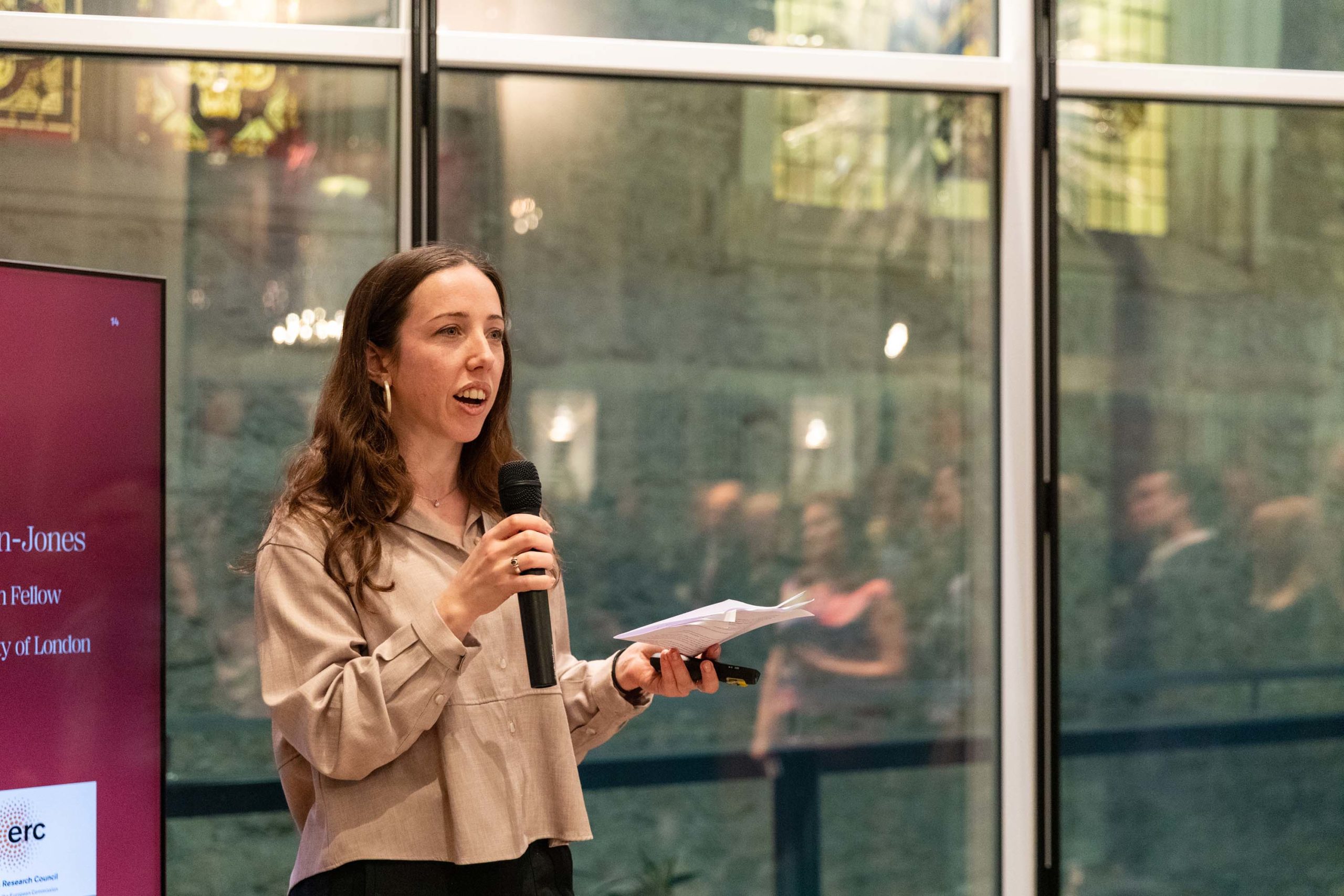
Leather Lightning Talks
Celebrating creativity and innovation in leather science, design, and craft


Individuals from across the Leathersellers’ Alumni Network participated in a series of quick-fire talks at Leathersellers’ Hall celebrating creativity and innovation in leather science, design, and craft.
Photography by Jayne Lloyd
Representing the versatility of leather across a broad range of industries, specialisms, and applications, the talks, following an open invitation, offered an opportunity for anyone currently or previously supported by the Leathersellers to share their work and approach to working with leather, at the intersection of traditional craft skills and innovative research methods.
Subjects included the transformation of goat parchment into contemporary textiles; the preservation of leathercraft skills through education; uncovering the hidden histories of women shoemakers; reimagining the use of fish skin leather in fashion; examining the role of leather and skin in early modern drama; pushing the boundaries of structural millinery; finding new techniques to craft heirloom objects for the home; and developing ultra-light leathers for aviation and automotive use.
Recognising the enduring qualities of leather and continuing to provide support for members of the Leathersellers’ Alumni Network is part of a wider vision to help create a thriving, sustainable and connected leather industry offering opportunity to tanners, designers, makers, and conservators.
Over the last five years the Leathersellers distributed £1,479,453 in support of those working and training in the production, conservation and use of leather across the industry.
Learn more about the speakers, their innovations, challenges, and how they were supported by the Leathersellers.
–
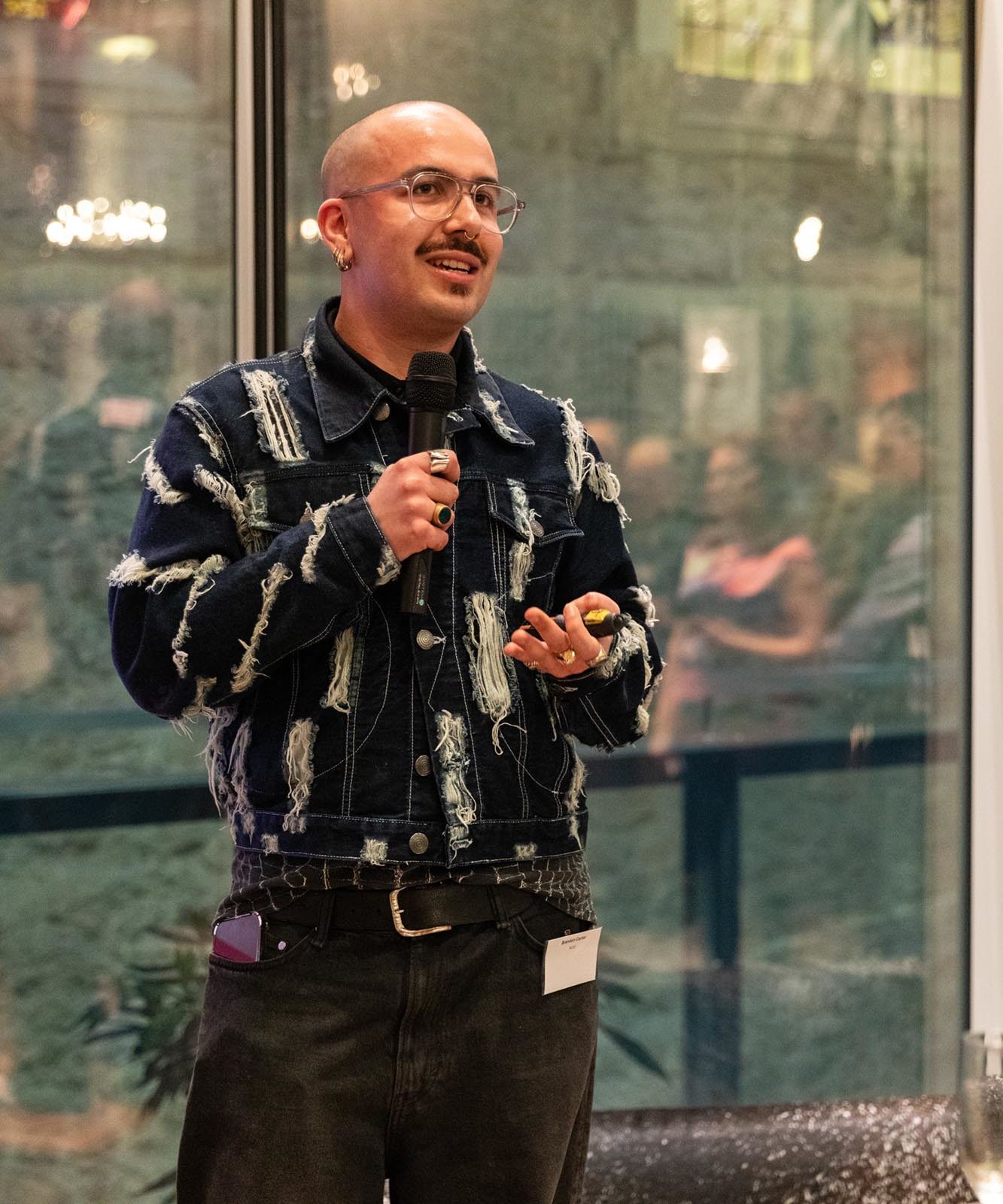
Brandon Carter
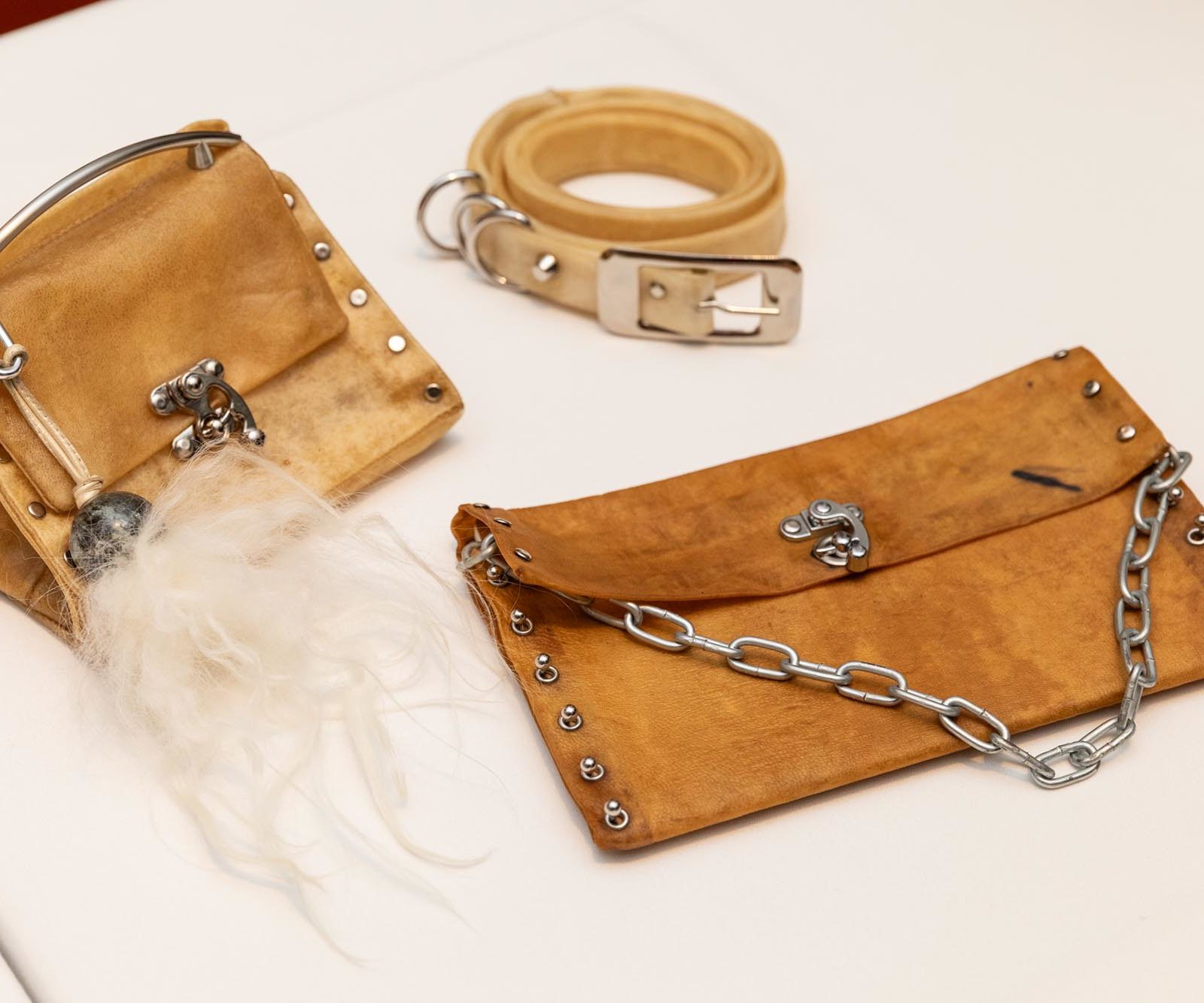
Brandon is a Fashion Design graduate primarily inspired by the natural world, antiquity, and the macabre, with a passion for natural materials and leather, as well as a love of hardware, key themes, and materiality which he contextualises through the lens of being a queer, working-class creative.
A central process of his work involves transforming goat parchment from its rigid, paper-like form into a soft, translucent, leather-like material.
In creating the parchment, Brandon says: “There is a lot of trial and error in the initial stages while experimenting with the conditioning process. It can still be quite challenging and unpredictable with a lot of factors that can influence the outcome. I’m essentially running a micro-tannery from my mum’s spare room. It’s quite a lengthy procedure, but once fine-tuned and perfected, I hope to streamline the process and find ways to make it more efficient.”
Brandon was a winner of the Leathersellers’ Design Awards at De Montfort University in 2024.
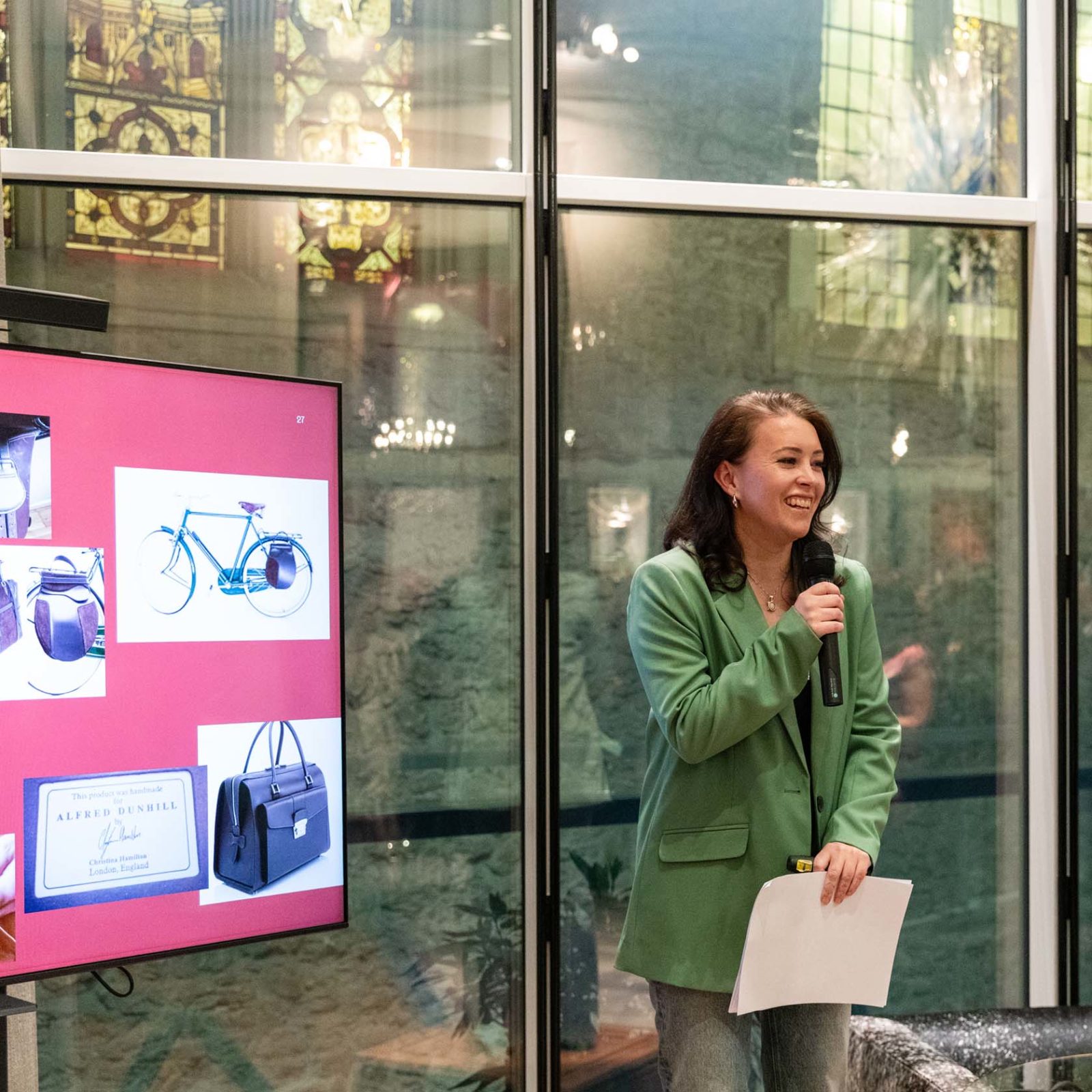
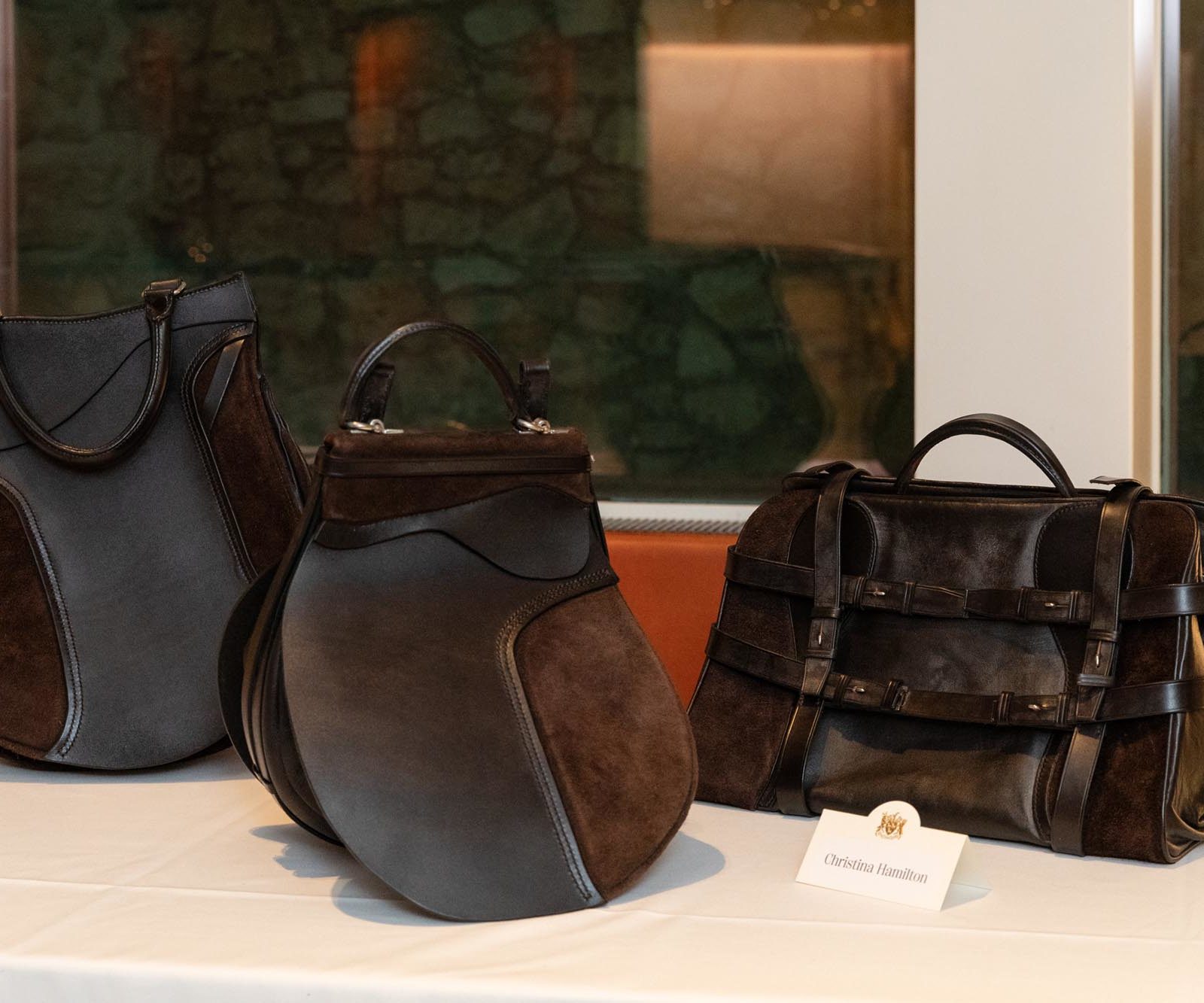
Christina Hamilton
Christina founded the School of Leathercraft to pass on her expertise in quintessentially British leathercraft, rooted in centuries of heritage and craftsmanship.
She trained in Saddlery at Capel Manor College before completing a degree and Master’s in Accessories Design at the London College of Fashion. She has worked at Bill Amberg Studio, Alfred Dunhill, and Asprey, and teaches degree-level accessories courses in London.
Looking to the future, Christina says: “I would like to be able to go into primary and secondary schools to do introductory leather workshops based around design and traditional craft. I am also working with a local farmer to be able to produce leather that is fully traceable and will be introducing new workshops that involve more complex constructions.”
Christina was supported by the Leathersellers at several stages during her leather studies and when setting up her educational business.
Emma Treleaven
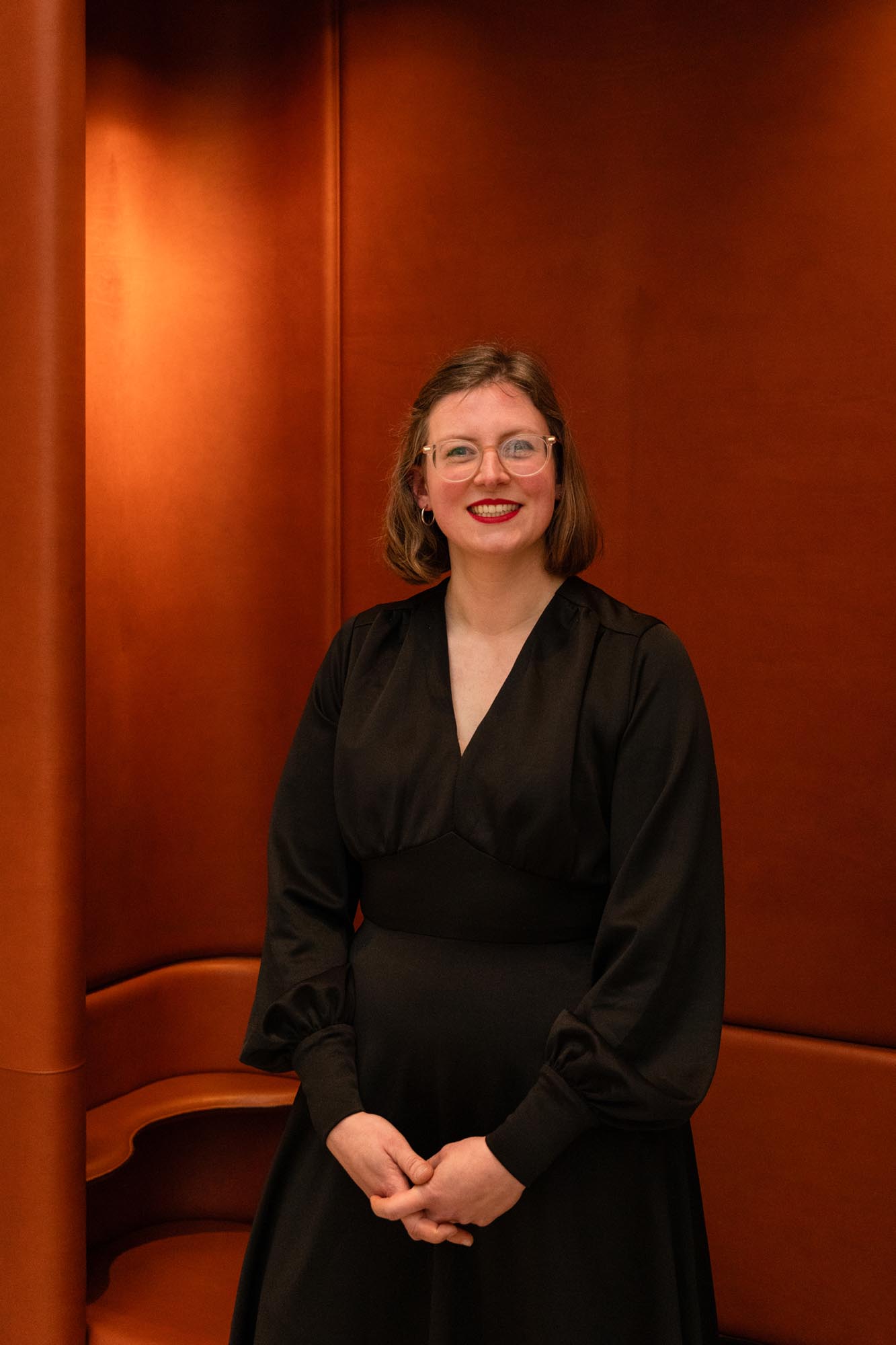
Emma is the Collections Manager at Amersham Museum, a PhD student at London College of Fashion, and a trainee bespoke shoemaker.
Alongside her museum work, Emma’s practice-led PhD focuses on the history of women shoemakers working in London, which is also the inspiration for much of her shoemaking practice.
Emma says: “Victorian and Edwardian women made shoes, and they were really good at it. The challenge is that no one living knows how to make the shoes I’m making, and there is over 100 years of stigma attached to parts of the process.”
Emma has been supported over a number of years by the Leathersellers whilst undertaking her PhD.
Isabelle Taylor
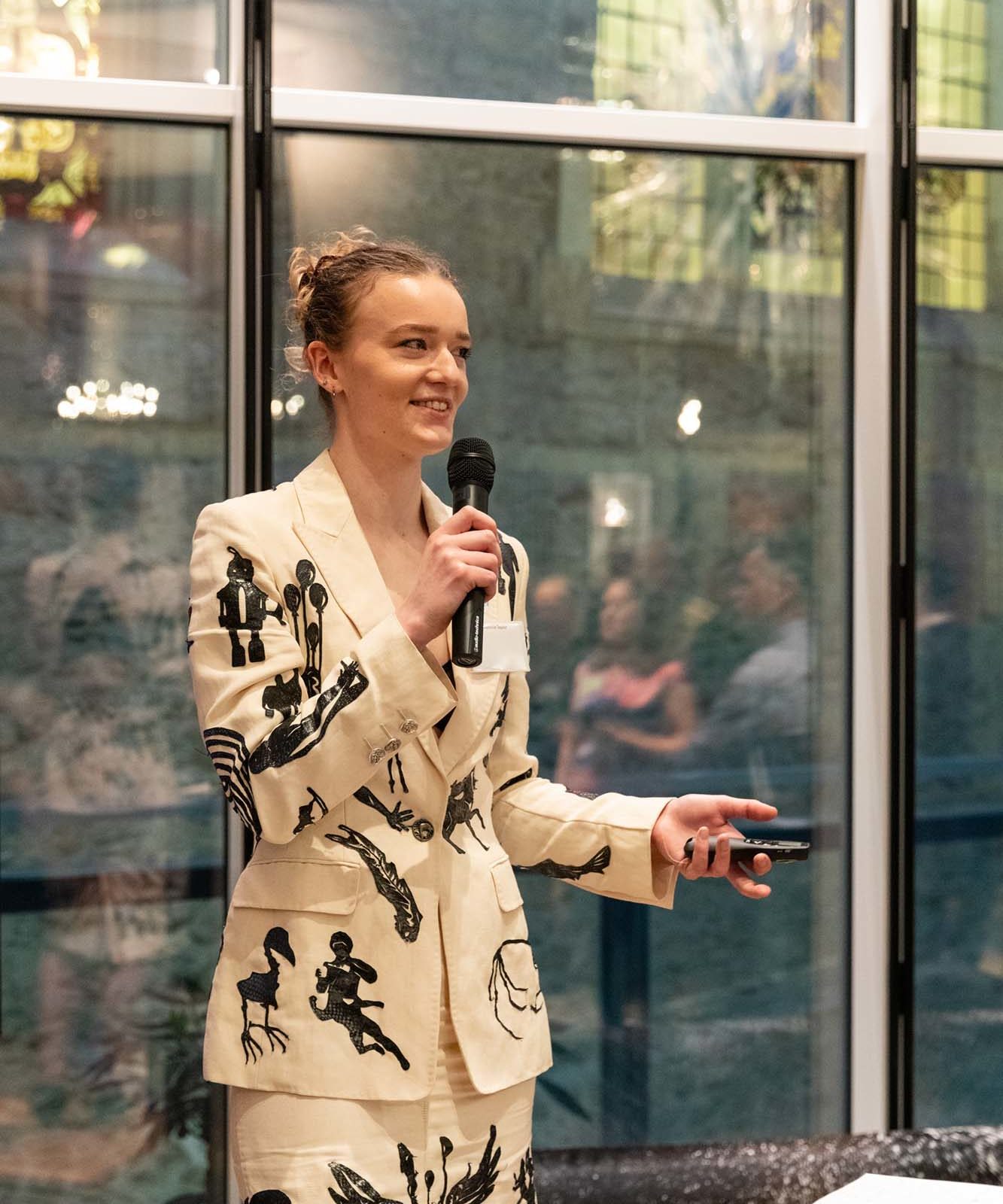
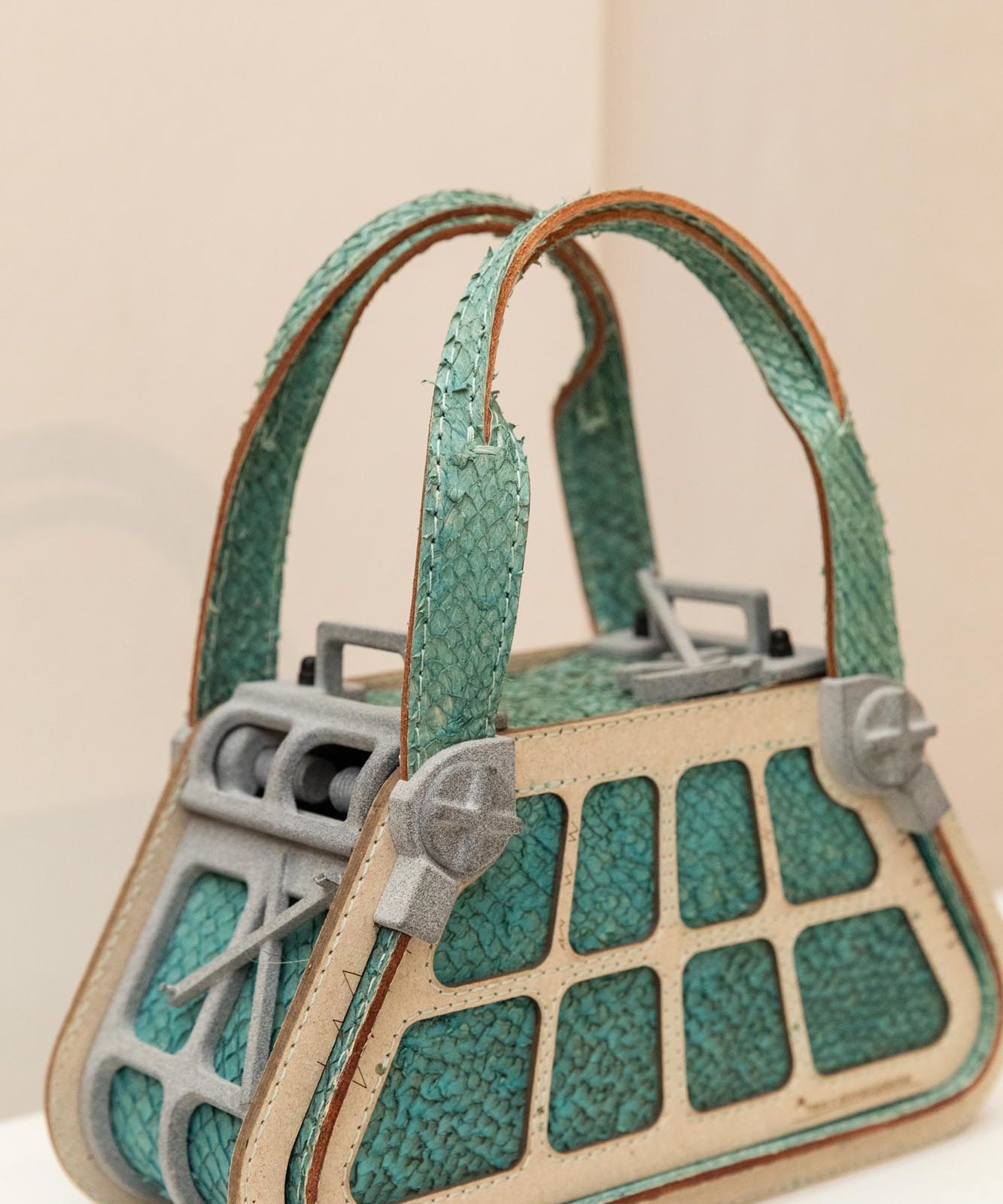
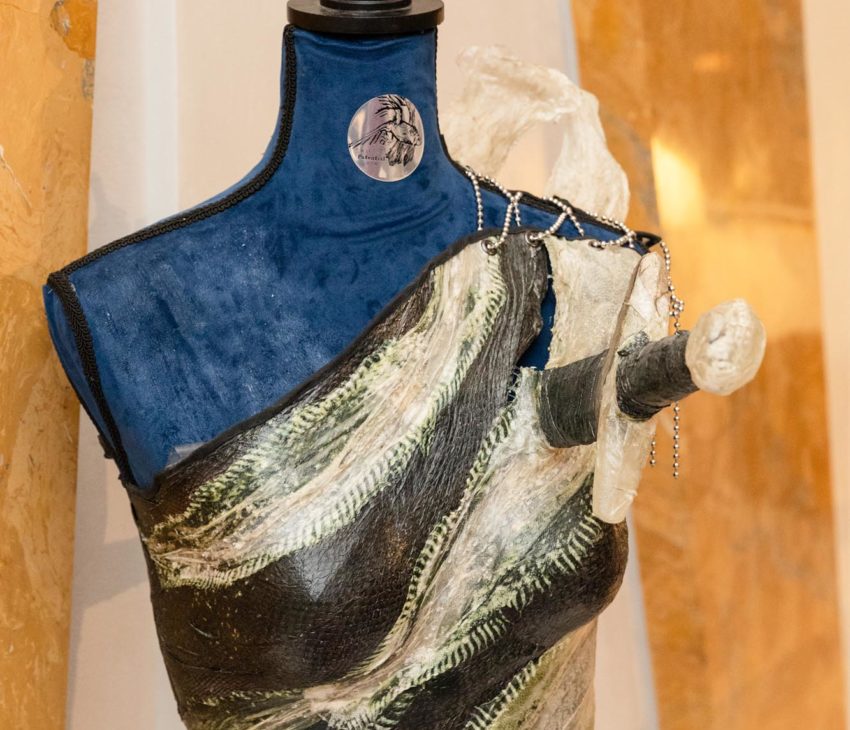
Isabelle works with discarded fish skins – transforming them into leather through a process of cleaning and tanning.
While fish leather is not a new material, her work seeks to reframe it within the context of contemporary fashion revealing its overlooked potential and repositioning it as a material of unique value.
Isabelle says: “I explore the potential that fishery by-products have in fashion (leather, parchment, bioplastic, sequins, thread/yarn). My dream would be to have a fashion studio where I make all materials from fish skin waste in-house.”
Isabelle was supported by a Leathersellers’ Scholarship at the RCA whilst undertaking her Fashion MA.
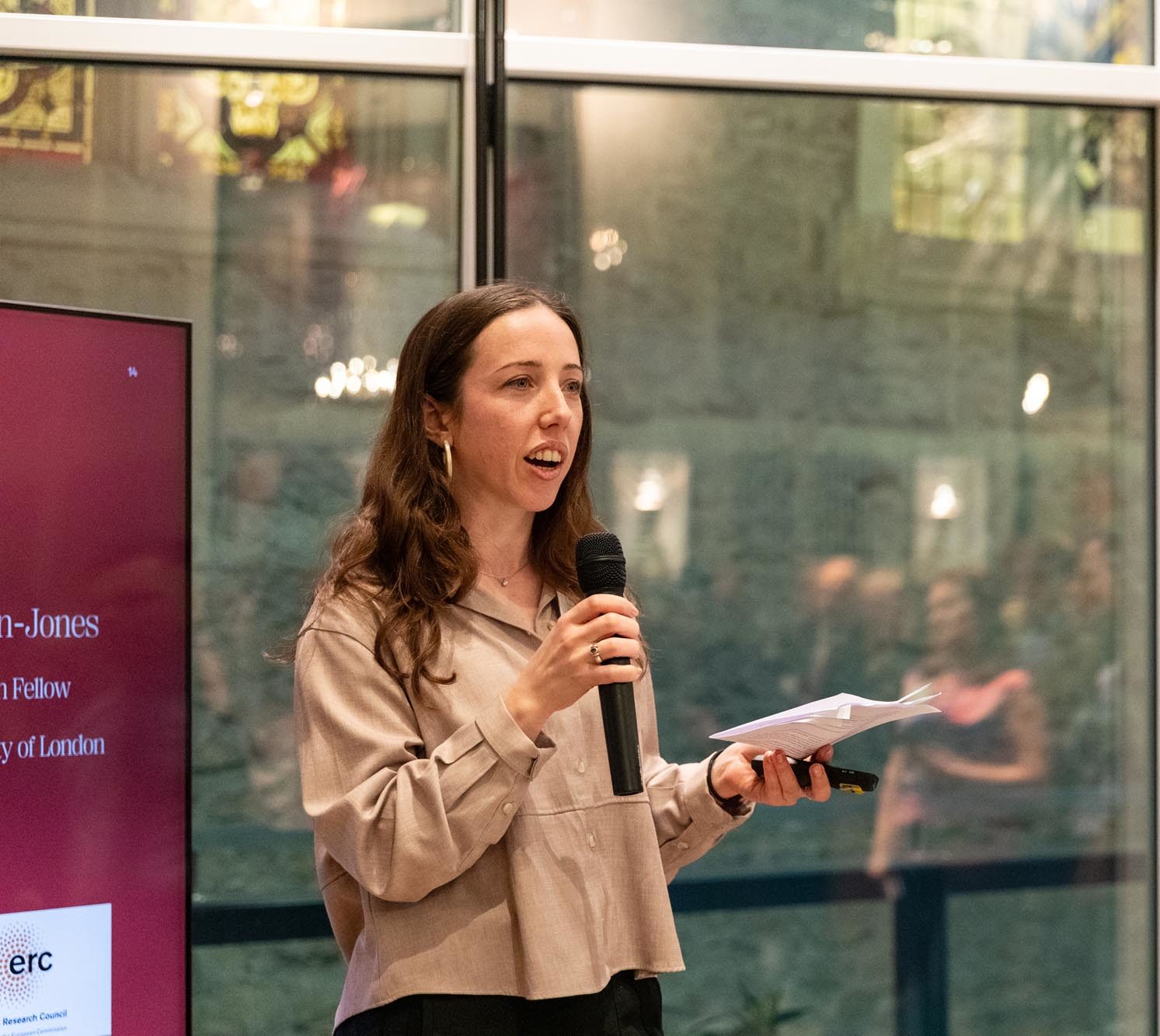
Lily Freeman-Jones
Lily is a Postdoctoral Research Fellow at Queen Mary University of London, on the ERC Advanced Grant Project ‘Europe in the World: A Literary History, 1529-1683’.
She is currently developing her first monograph on human and animal skin in early modern drama with Oxford University Press and beginning research on a second project. Her thesis was funded by Queen Mary and the Leathersellers and won the Shakespeare Association of America J. Leeds Barroll Prize in 2025, as only the second ever UK scholar to win.
Describing her research, Lily says: “My innovation was discovering that Shakespeare’s plays describe legal parchment as being made of sheepskin specifically, not other types of animals. A University of York study revealed this was because, unlike other forms of parchment which can be scraped clean and reused, sheepskin delaminates when scraped, leaving marks which make it effectively tamperproof. Plays by Shakespeare and other writers thus reveal an intimate specialised knowledge of animal skin and the uses to which it was put in the early modern period.”
“My challenge has been understanding the sheer breadth of uses for animal skin in the early modern period. From embossed leather wall hangings to parchment lace, I’ve been amazed to discover so many new categories of animal skin objects which I had never even imagined existed. I’ve had to work with museums and heritage collections to ensure that my research can bring this vivid (and sometimes surprising) world of Renaissance animal skins alive.”
Lily was supported by the Leathersellers during her PhD at QMUL on ‘Animal skin in early modern drama 1576-1642’.
Otis Ingrams
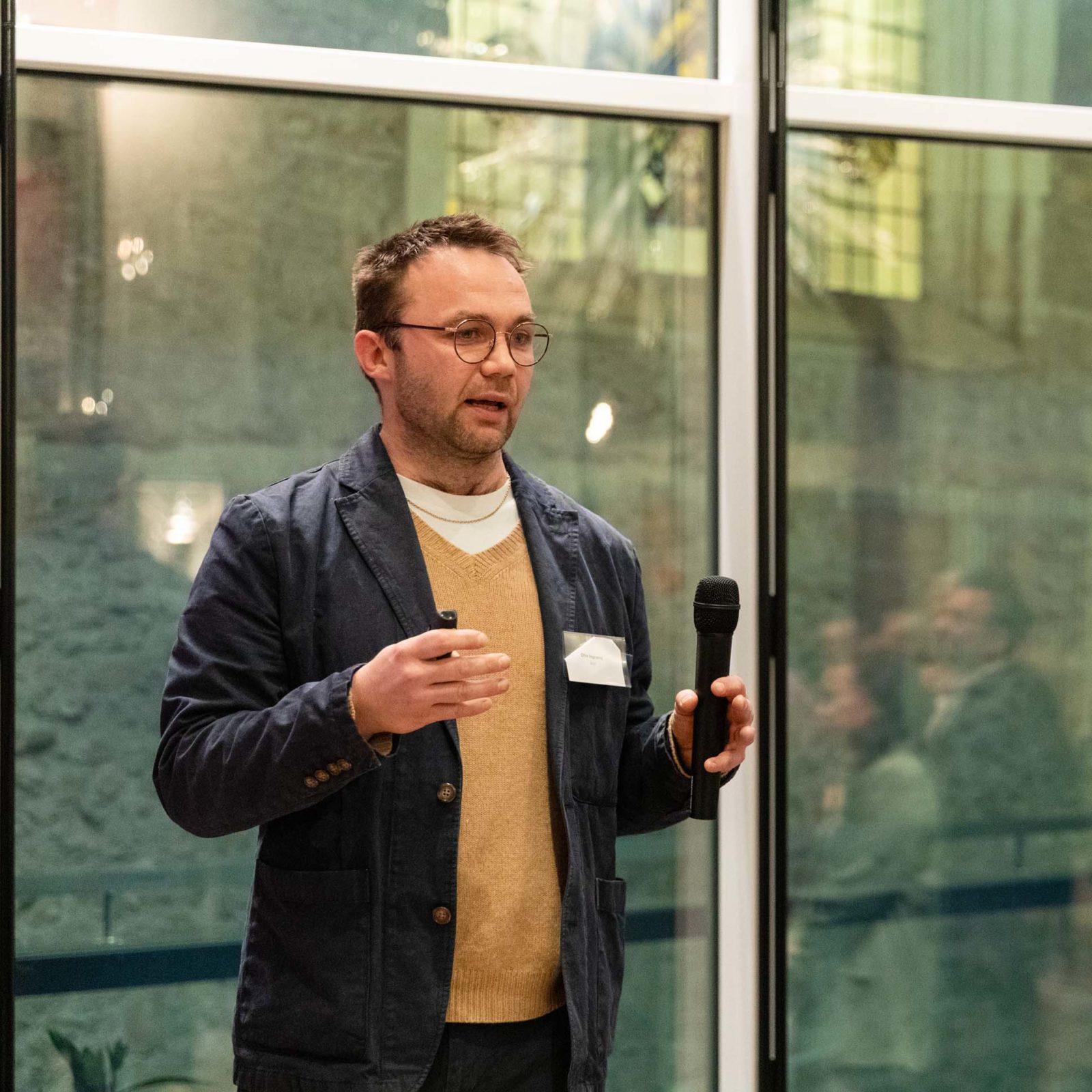
Founded by master leatherworker Otis Ingrams, OTZI is a Norfolk-based studio uniquely bridging the disciplines of leatherworking and fine woodworking.
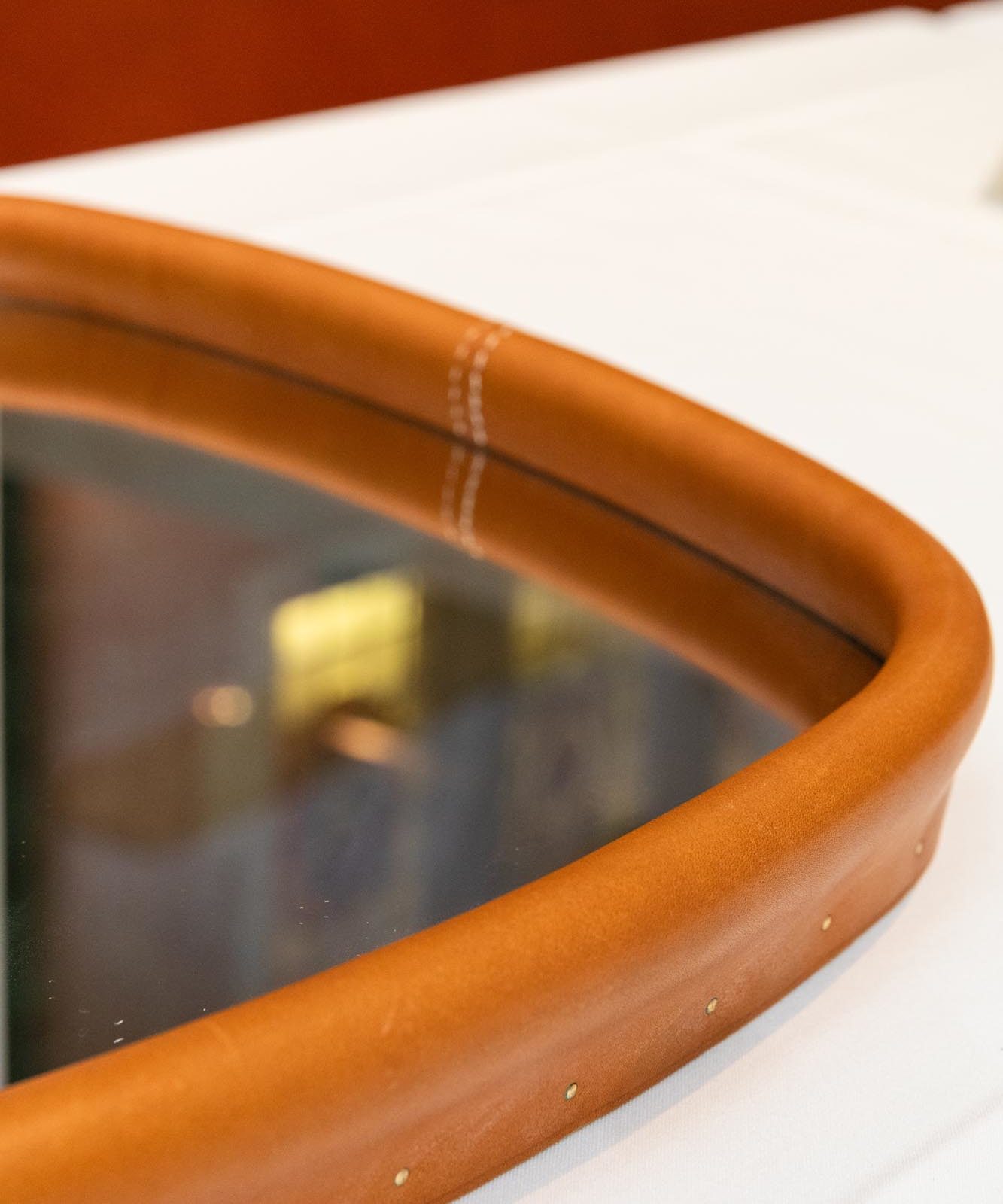
The brand produces heirloom-quality furniture and objects using exclusively natural materials, with a focus on superior British oak bark-tanned leather and native hardwoods.
Otis says: “Our focus is on using classic techniques usually in saddlery and upholstery- such as hand stitching, weaving and lacing, combined with joinery and digitally machined processes, across a range of furniture pieces and interiors objects. My innovation is rather a scale increase of a pre-existing technique that is more usually known for bag handles, bending leather around a rope or cord that reinforces the material along the bend, giving it rigidity, strength and an enhanced grain appearance. I would like to start experimenting with this controlled bending around timber and bent metal, hopefully using full lengths of hide and on larger curved pieces of leather.”
The Leathersellers supported Otis via a QEST Scholarship to complete an MA in Product and Furniture Design at Kingston University.
Paul Stafford
Paul holds an MA in Natural Sciences from the University of Cambridge, an MA in Fashion (Millinery) from the Royal College of Art, and graduates this summer with a PhD in Social Psychology.
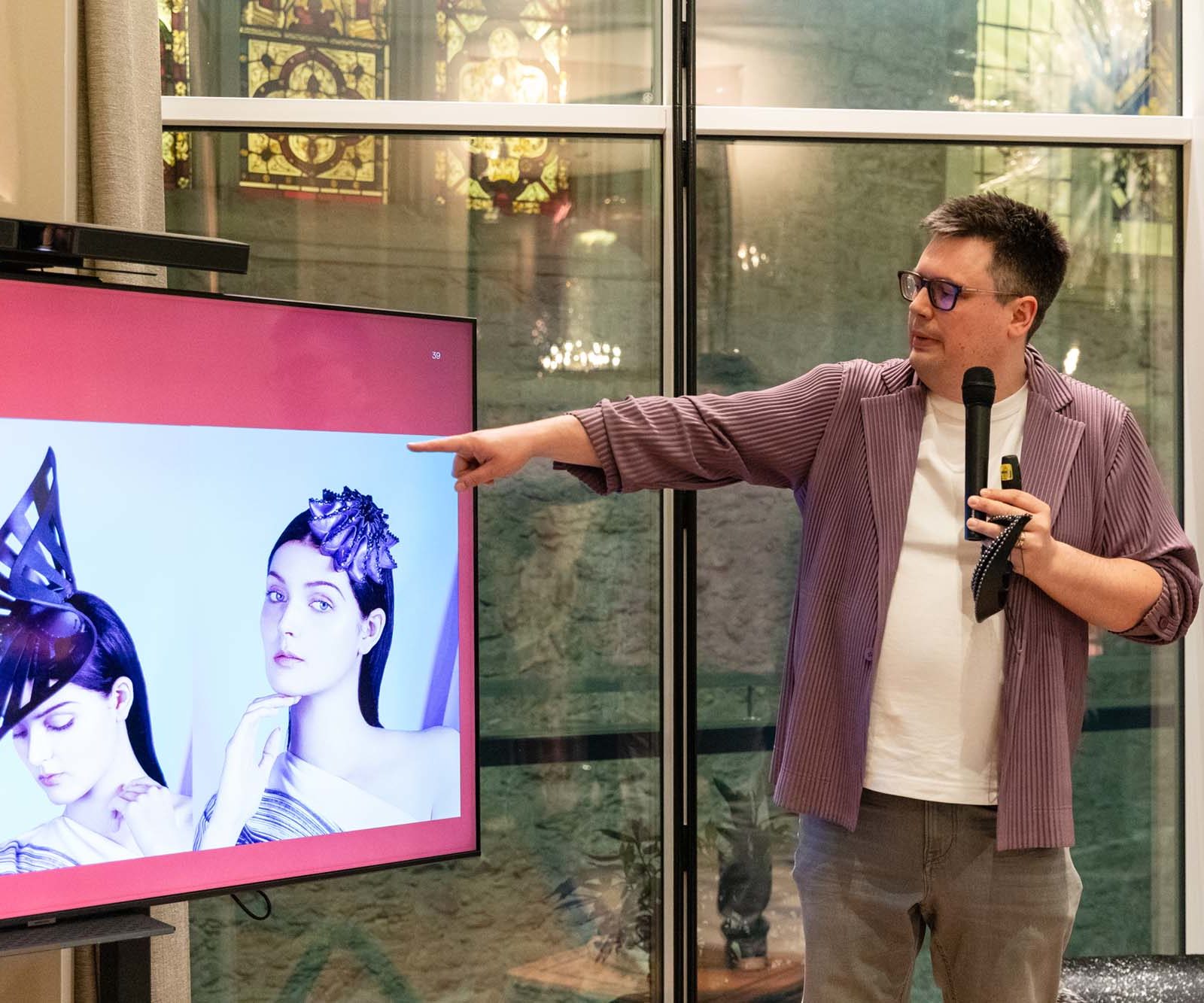
Founder and designer of millinery brand The Season, his work has been exhibited at London Fashion Week through Headonism and BFC NEWGEN initiatives. His collaborations include work with Yiqing Yin which was shown during Paris Couture Week.
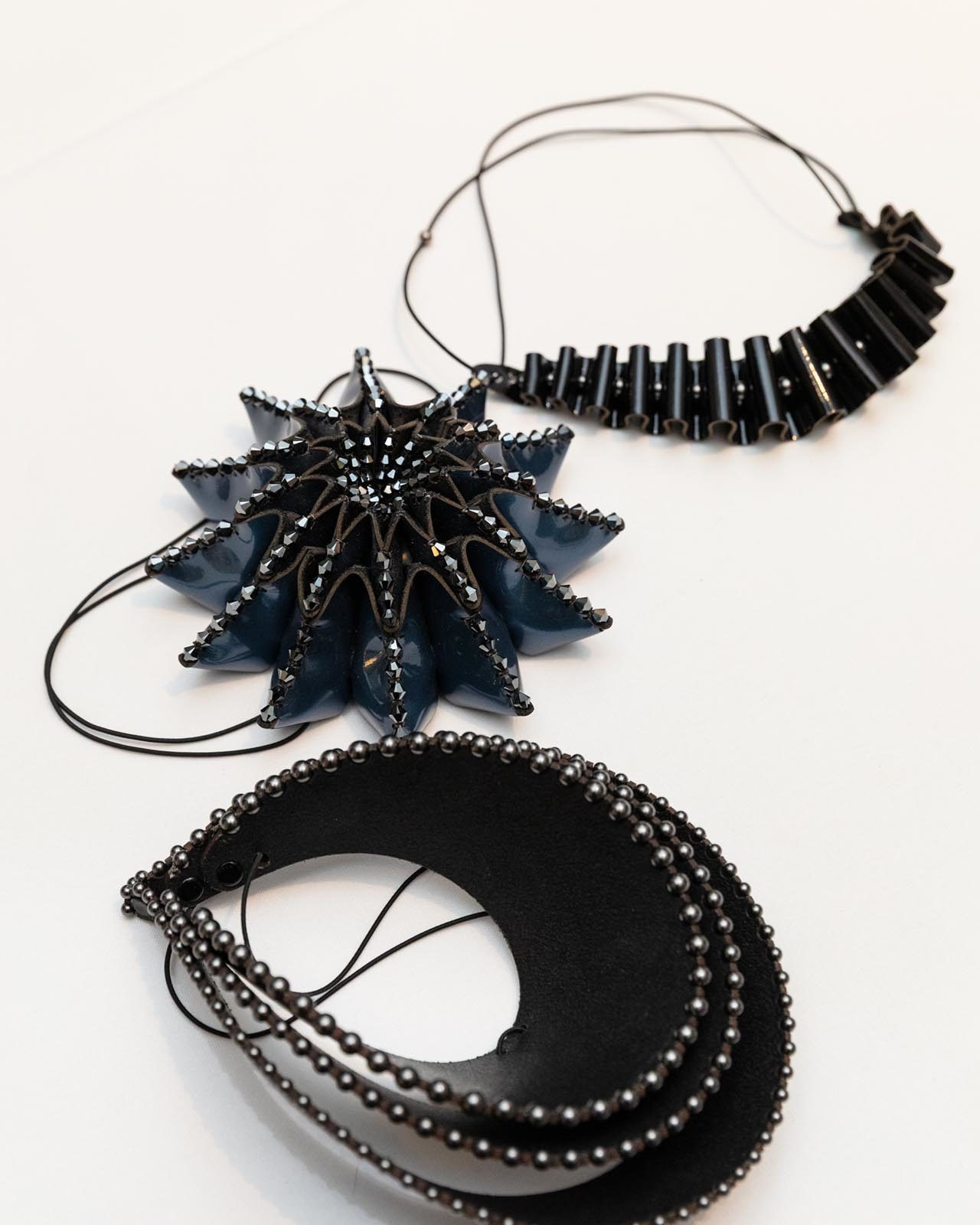
Commenting on his innovation in using leather for millinery Paul says: “I use pattern cutting to enhance the structural qualities of leather and laser cutting to allow precise cutting, replication and bespoke work.”
Paul was supported by the Leathersellers during his Fashion MA studies.
Stoyan Simov
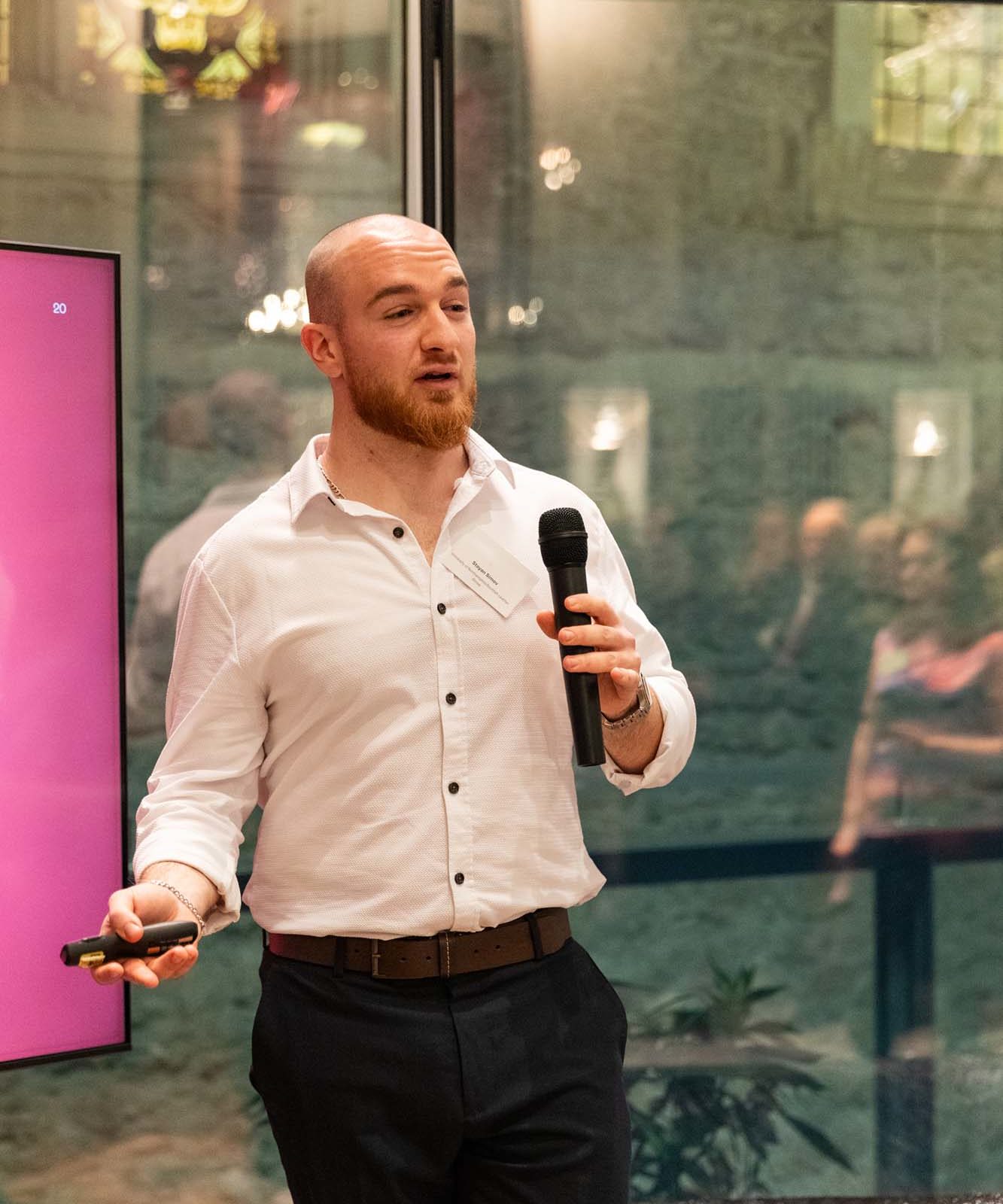
With Bulgarian heritage, Stoyan was born in London and raised in South Africa, and is the this generation of his family to be involved in leather.
He graduated with a Basic in Leather Technology from the University of Northampton in 2023 and began a two-year Knowledge Transfer Partnership project with Scottish Leather Group and the University of Northampton in 2024.
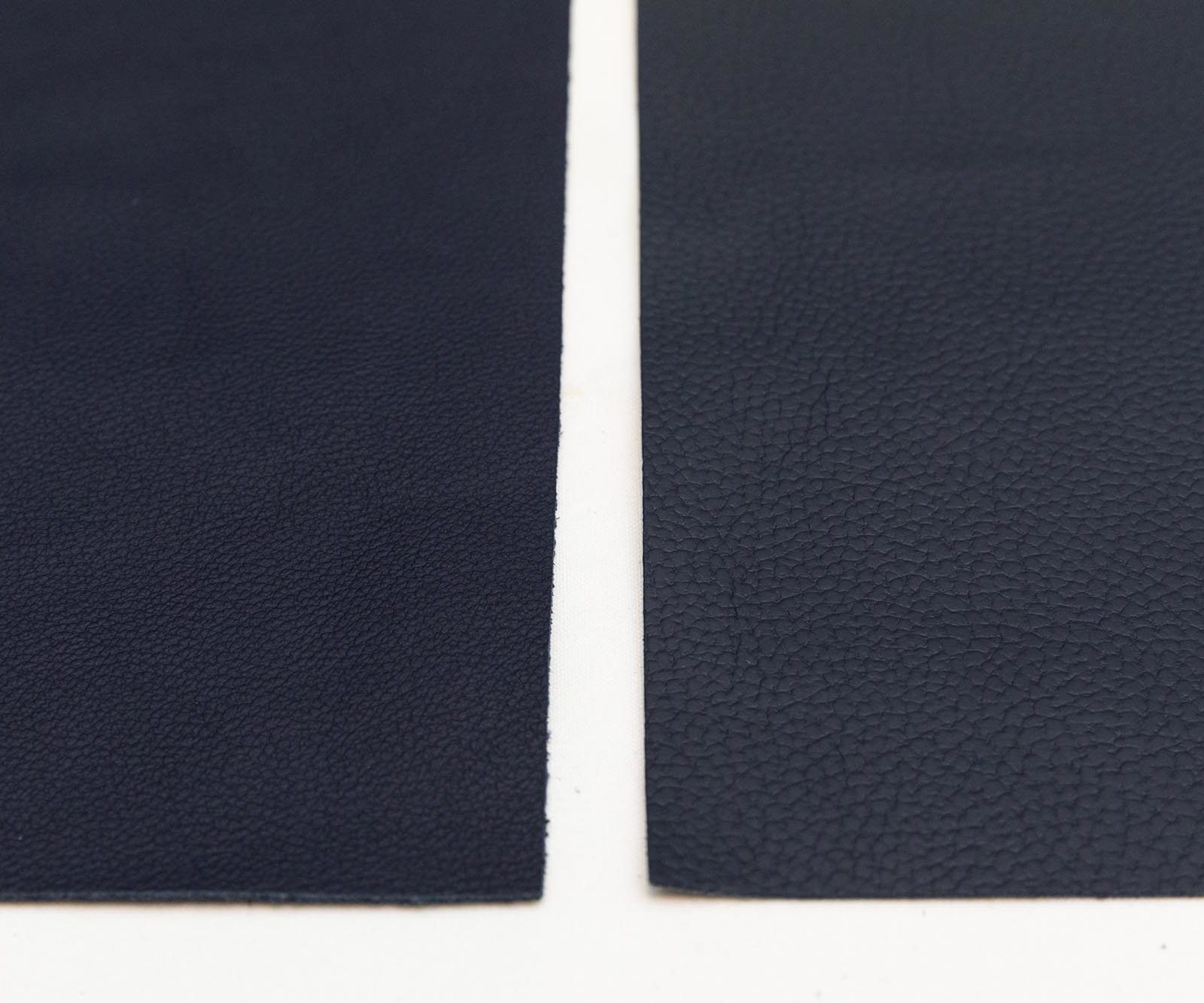
His work focuses on creating the lightest weight leather for aviation and automotive applications to support improved fuel efficiency and sustainability. He explores innovative methods to reduce leather density at standard thickness while maintains the performance and aesthetics expected of genuine leather.
Stoyan was supported both during his undergraduate studies and in his research project by the Leathersellers.
Learn more about the leather industry
Leather is a sustainable and versatile material with applications across the fashion, furniture, passenger transport, footwear, orthopaedics, and equine industries. As a by-product of the meat industry, leather transforms waste into a luxurious and durable material, preventing landfill and supporting circular economy principles.
The UK-based tanning industry supported by the Leathersellers includes high-tech producers such as Scottish Leather Group, with carbon net-zero operations at considerable scale, as well as artisanal tanneries using traditional methods and often closely linked to regenerative farming and environmental initiatives across the country. Through members, alumni, and funded partners we encourage connection to allow resources, skills, and knowledge to be shared wherever possible.
—
READ MORE
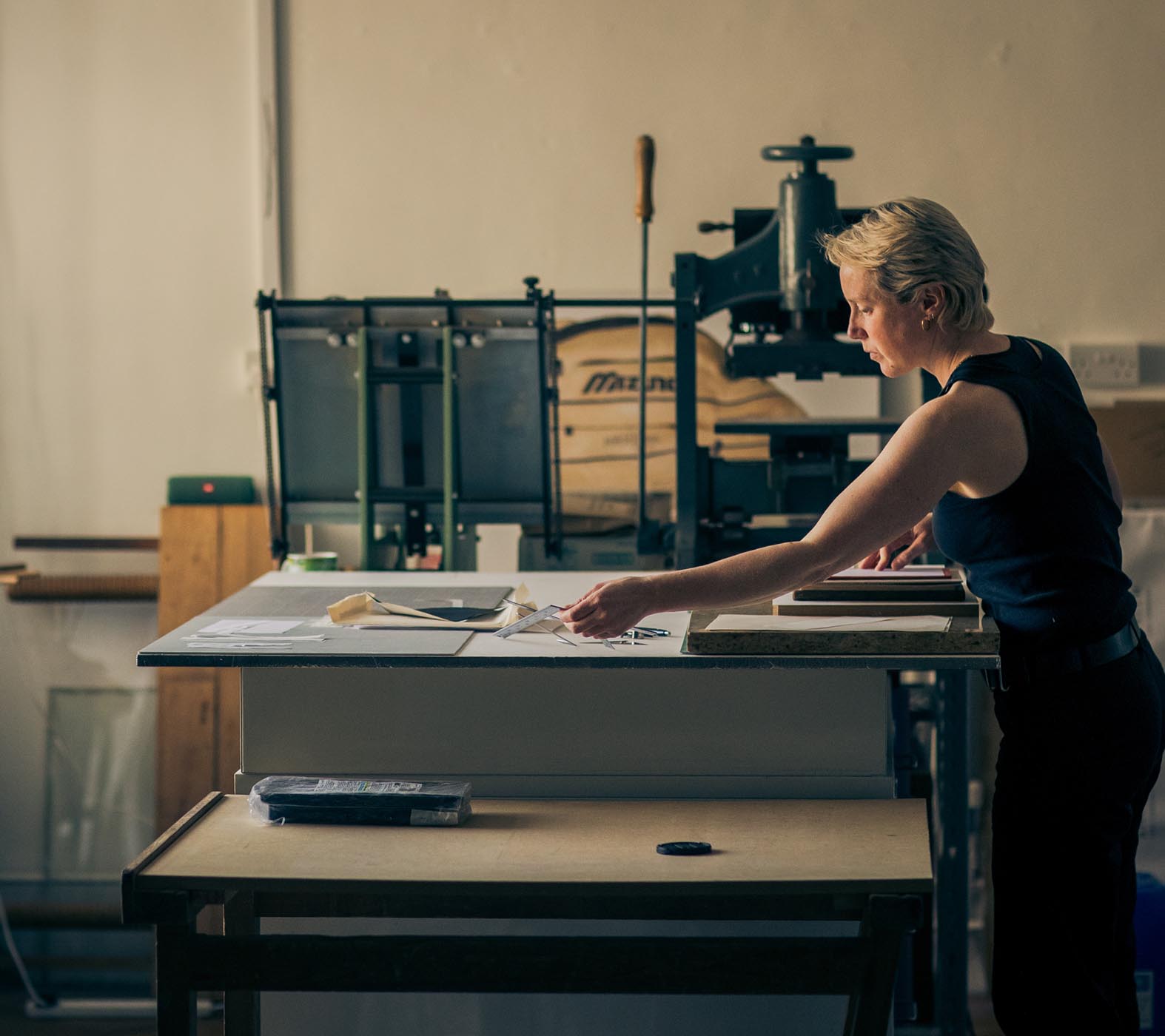
A New Leaf
From traditional gold tooling to contemporary printing, bookbinding is constantly being reinvigorated by a new generation of creatives. But support for their training is critical to the survival of this centuries-old craft.
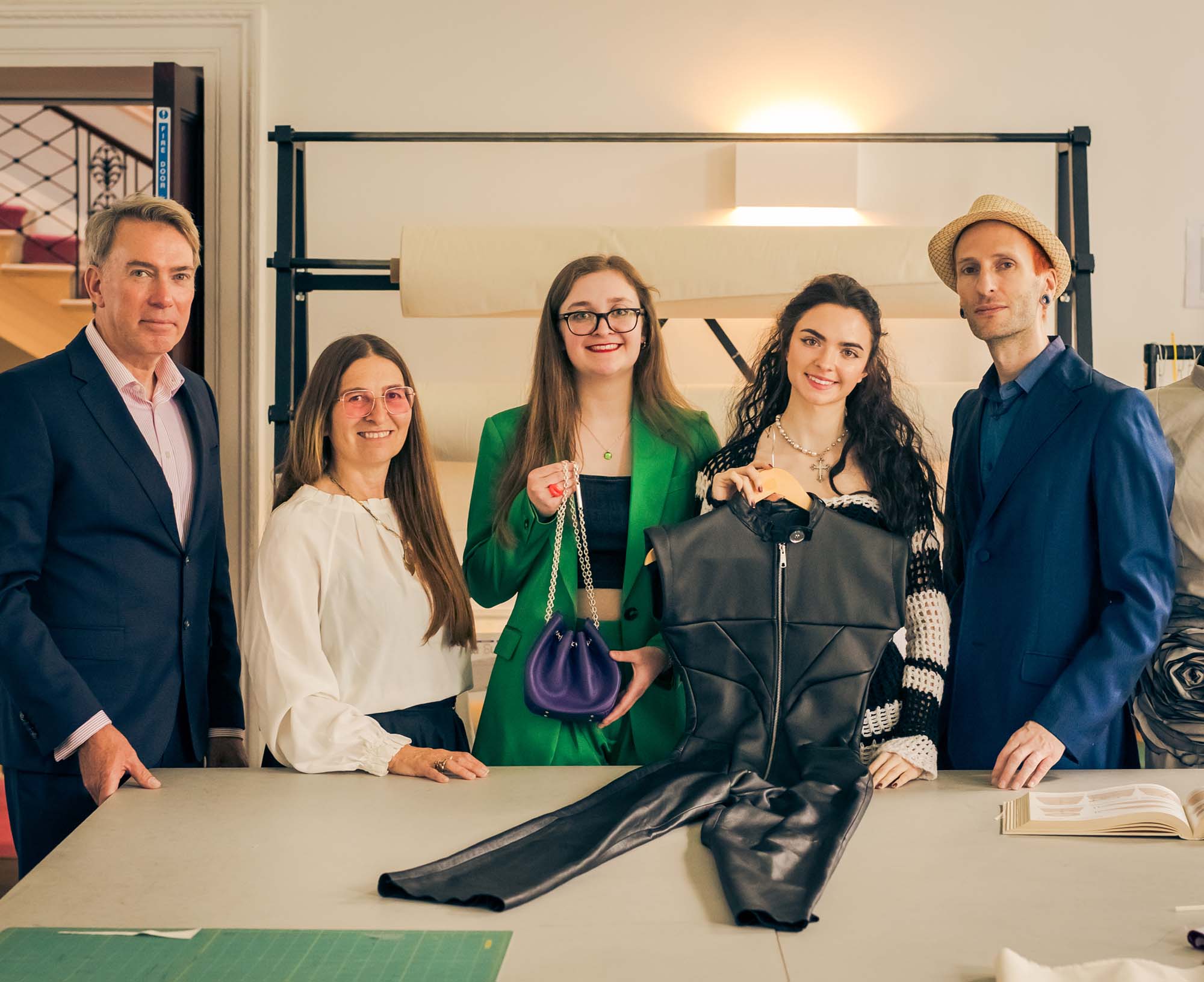
A Well-Heeled Foundation
London’s Jimmy Choo Academy is laying the groundwork to put the future of UK leather craft firmly in the luxury crosshairs.
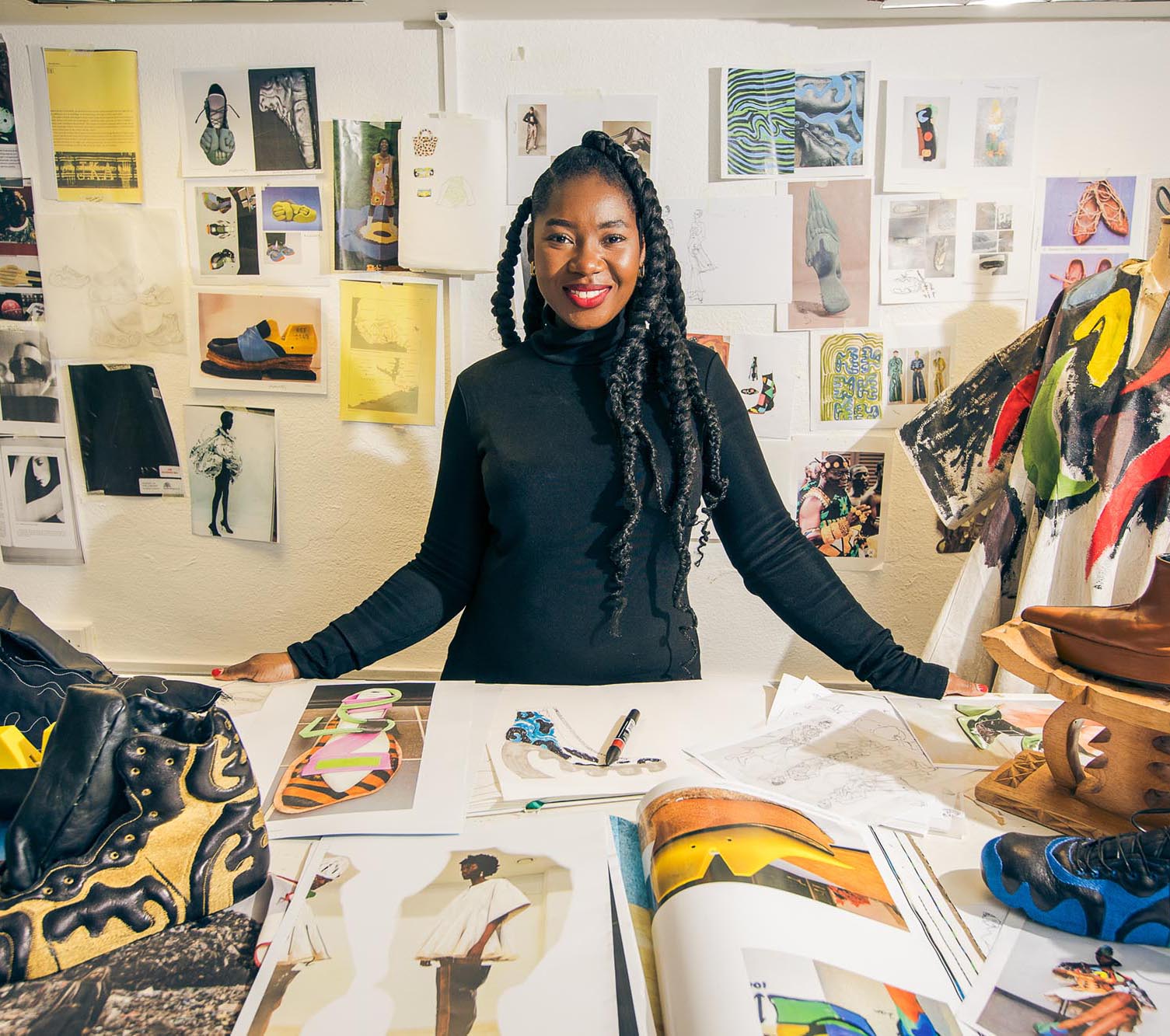
The World at Their Feet
How support for leather education is offering opportunity for talented shoemakers of all ages.