Leathersellers’ Review
2025-2026
The Leathersellers annual Review 2025-206 is now out now to read and download.
Feature stories this year span the breadth of Foundation grant funding in charity, education, and leather as well as the contribution and engagement of Leathersellers’ members and the connection and commitment to long-term partners.
In charity, where funding is focused on the prevention and mitigation of adverse childhood experiences (ACEs), two stories capture how the field of ACEs applies to some of the most topical social issues faced by society today: perinatal mental health and tackling the root causes of misogynistic attitudes among young people.
For perinatal mental health, writer Ellie Broughton, explored the work of MumsAid and Mothers for Mothers, two front line charities using peer support to transform outcomes for families facing the greatest odds. CEO of Mothers for Mothers (MFM), Maria Viner, first came to the charity as a service user; reflecting on that experience she says: “The only consistent support for me throughout all of this was MFM. Peer support saved my life and made sure that I was there for my children’s early years.” Maria later returned as a volunteer, first on the helpline, then in the office, and then as a trustee. She became the CEO of MFM in 2018. That year the charity supported around 100 families; now it supports over 850.
Similar demand is evidenced at MumsAid which started out on a £3,500 grant in 2012 and now has 15 employees and as many volunteers. The doctoral research of CEO and Founder Dr Miriam Donaghy led to the development of a biopsychosocial therapeutic framework that now underpins all of MumsAid’s service provision. She wanted to set up a non-pathologising service for mothers, where clients could self-refer, as she says: “You do not need a label or diagnosis to access our services, and that’s how it’s been from the start,” she says. “It’s about normalising what is happening, which takes away some of the stigma…a non-pathologising approach means that you’re not labelling someone as mentally unwell. It’s that thing of, ‘don’t say what’s wrong with them, ask what happened to them’.”
Looking at the issue of misogyny in young people, writer Sarah Myers spoke to national charity Tender, who use drama and the arts to educate children, young people and adults about healthy relationships, and Nottingham based charity Imara who provide specialist support to children, teenagers and their families affected by sexual or domestic abuse, about their work with children and what healthy relationships should look and feel like.
Commenting on the topic, Stacey Lamb, Head of Charity Grants at The Leathersellers’ Foundation says: “We’d been hearing from charities – including those working in domestic abuse, education and young people’s mental health – about the need to intervene in this area because what we’re seeing today with misogyny will be reflected in future relationships, marriages, and how children are raised. Ultimately, it’s going to shape what our society looks like.”
In a recent UK-wide poll of 13- to 20-year-olds by children’s charity Barnardo’s, around two-thirds (65%) reported witnessing or coming across harmful gender expectations online. Amnesty International’s 2025 research found that 73% of Gen Z social media users have witnessed misogynistic content online, with half encountering it on a weekly basis. Countering what young people are seeing on social media plays a key role in Tender’s workshops. “If we’re in schools, challenging and gently unpicking those attitudes and behaviours,” says Kate Lexén, Director of Services at Tender, “we can stop them becoming entrenched.”
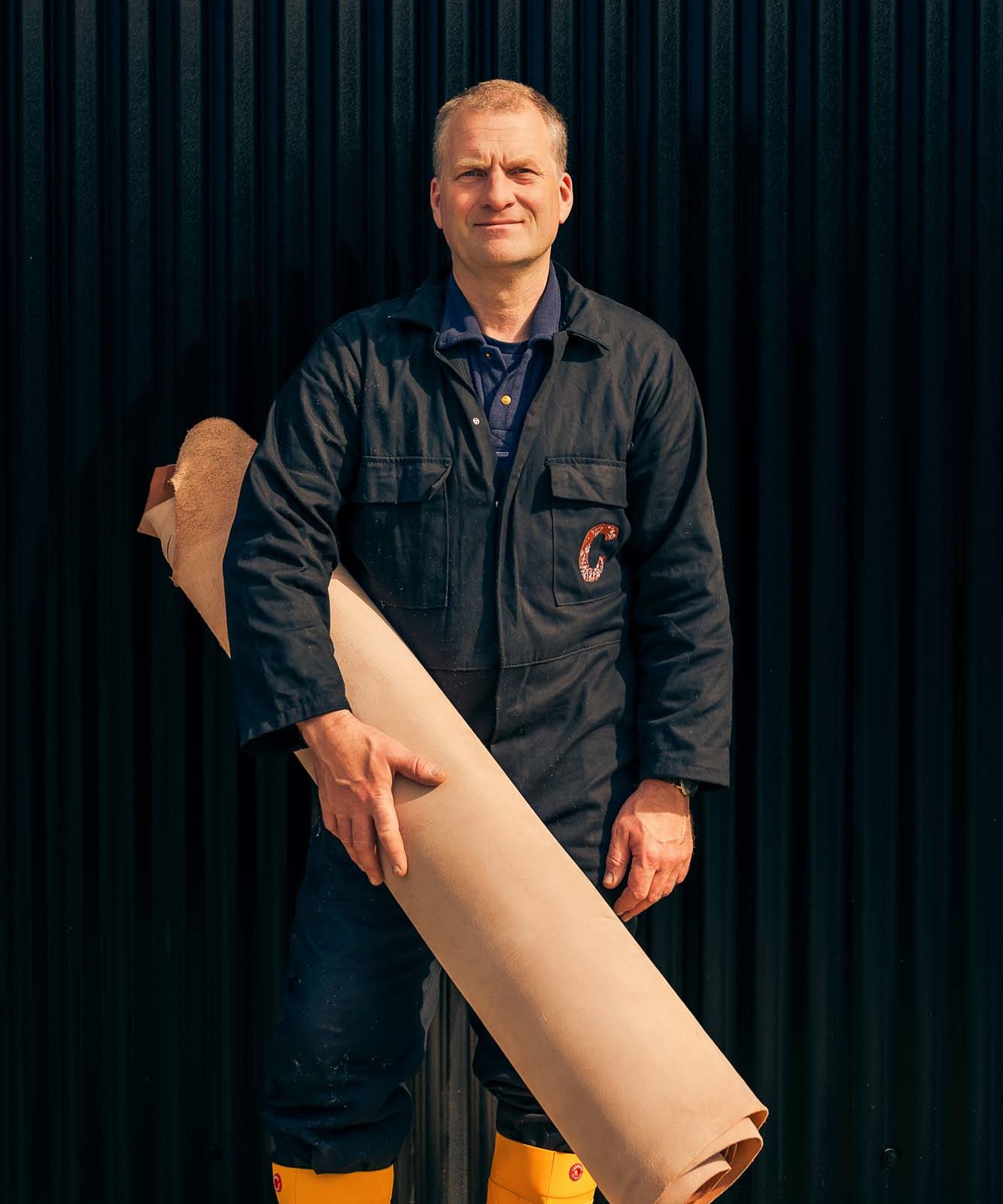 James Allen of Cotmarsh Tannery.
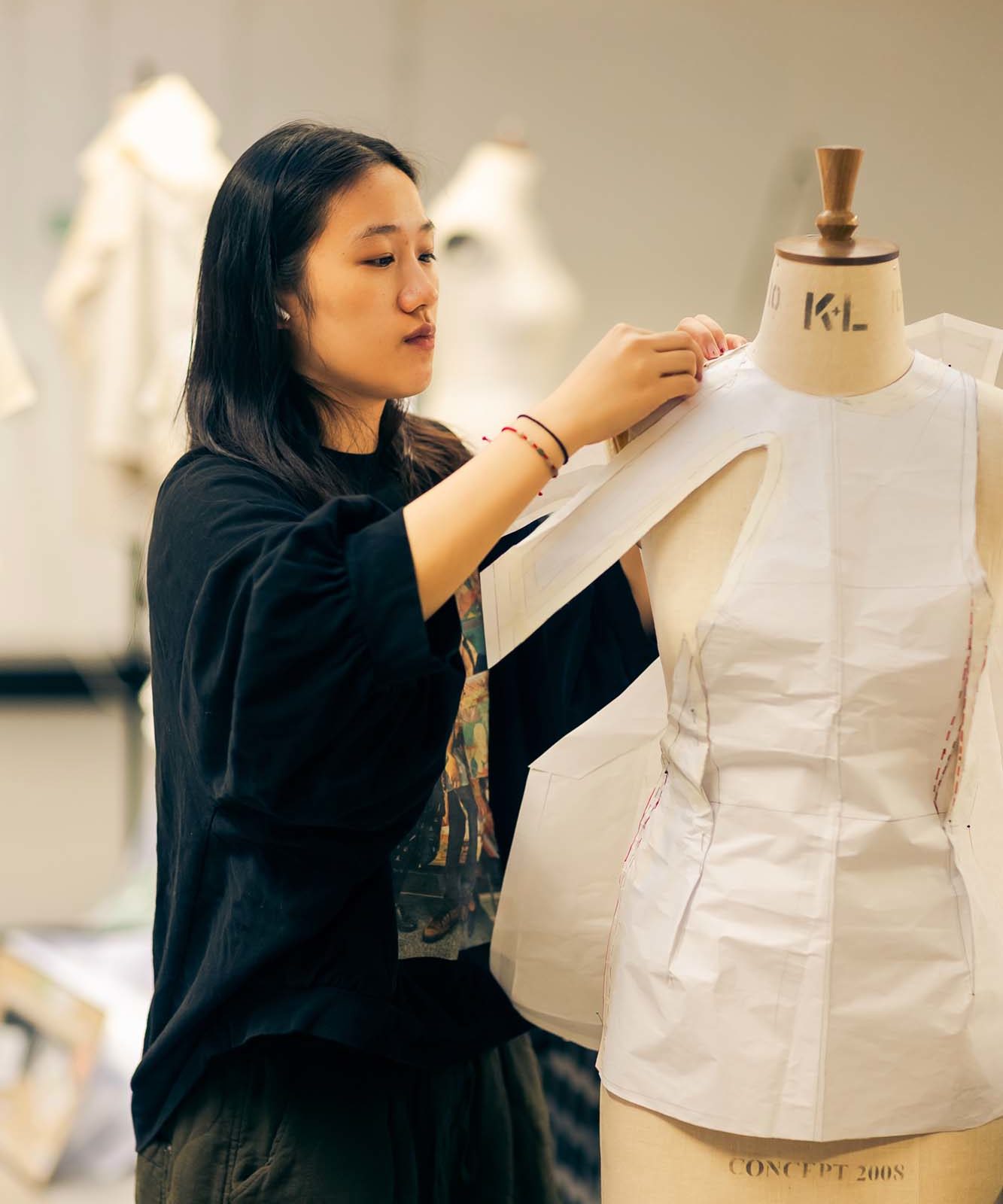 Nottingham Trent University BA Fashion Design student during a Leathersellers' Foundation funded masterclass.
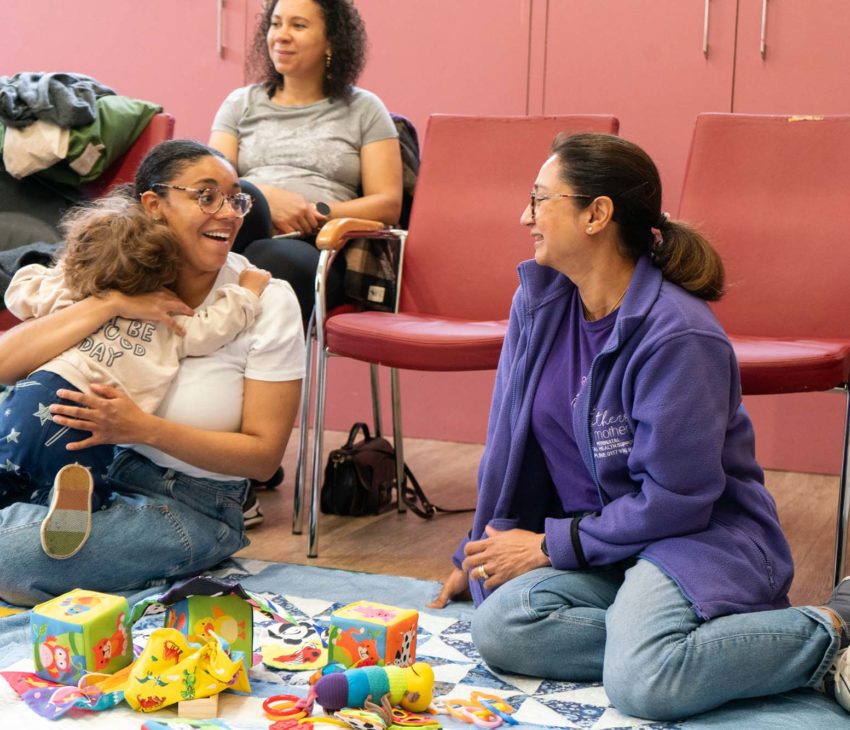 A Mothers for Mothers drop-in baby group.
The focus of this year’s education feature was on the partnership with the Merchant Taylor’s Foundation, which will see £1m invested into early years programmes in Lewisham over the next six years. This second phase of funding, 2026-2030, will continue to support existing community-based work through partner charities, while also improving school readiness through targeted family support projects.
The joint Early Years Education Grants Programme draws on neuroscience research showing that the first 1,001 days of a child’s life lay the foundations for their cognitive, emotional and physical development. What happens in the days between conception and a child’s second birthday shapes their readiness for school and their life chances long after. The impact for influencing measures of social mobility are created in this space and those of the preschool years, and if the opportunity is missed, then the gap widens.
Writer Fiona Thompson explores the partnership with the Merchant Taylor’s Foundation and spoke with Prendergast Vale School to learn more about their pilot school readiness programme funded by The Leathersellers’ Foundation. “In the long term, the programme will look for evidence that the attainment gap is narrowing for children in these underserved communities,” says Julie Bélanger of Better Purpose, who’s advising on project evaluation. “By supporting children, families and schools at the same time, the people around a child will be working as one.”
Leather related features this year highlight just a few examples of projects and individuals supported by the Leathersellers, including Jessie White, a leather artisan creating skilful, playful, and beautiful objects by Victoria Woodcock; the work, expertise, and future of the Leather Conservation Centre, a one-of-a-kind research institute in Leicester visited by Emma Crichton-Miller; writer Ana Turns spent a day at Cotmarsh Tannery in Wiltshire learning about the inspirational story of James and Katie Allen who are placing leather and natural fibres at the heart of regenerative farming practice; and the ambitious young designers at Nottingham Trent University’s fashion department who are using traditional leatherworking skills to forge new career paths, by Shane Kurup.
The breadth and depth of support for the leather industry reflects the versatility of leather as a material and how it is able to offer and unlock opportunity, as Shane Kurup describes the workshops at Nottingham Trent: “These advanced modules, supported by funding from The Leathersellers’ Foundation, teach students the finer points of working with leather – its quirks and qualities, its status as a sustainable material for the modern world, and how it can be fashioned using specialist tools and machines. The aim is to provide advanced skills to graduates, broadening their career prospects in the job market and boosting their design confidence.”
Reports this year include Foundation work, priorities, and giving, which this year exceeded £4m for the first time; an introduction to the Leathersellers’ new military affiliation, Britannia Royal Naval College; wardens and stewards for the year ahead; and insights into our wider practices including heritage and history, and environmental, sustainability and governance.


READ MORE
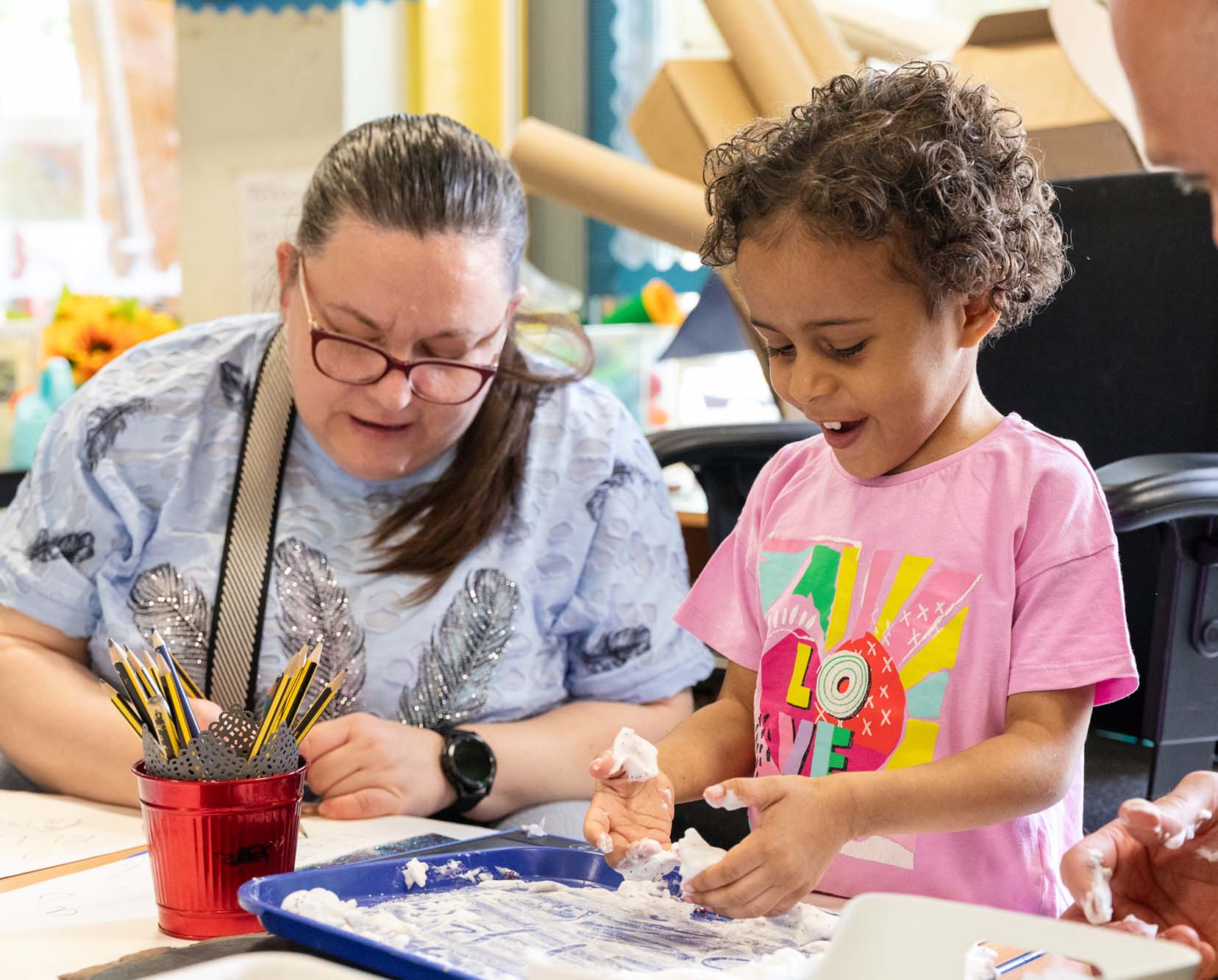
Leathersellers and Merchant Taylors commit £1m of funding to early years in Lewisham
£1m of funding has been committed to the Lewisham area over a six-year period, from 2024-2030, as part of the joint Early Years Grants Programme.
Room To Think
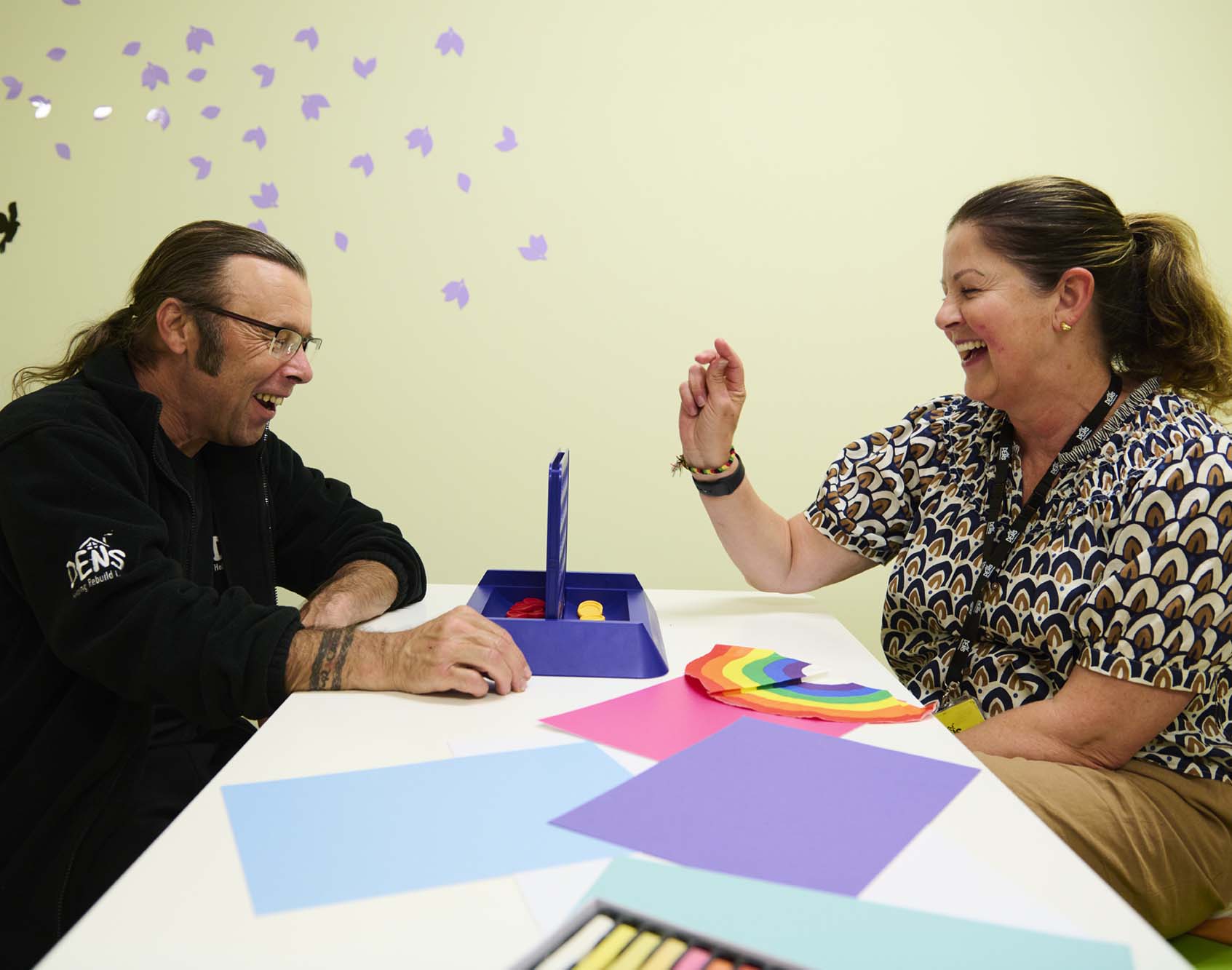
How one homelessness project in Hertfordshire is helping adults to overcome the effects of childhood trauma.
Leather Lightning Talks
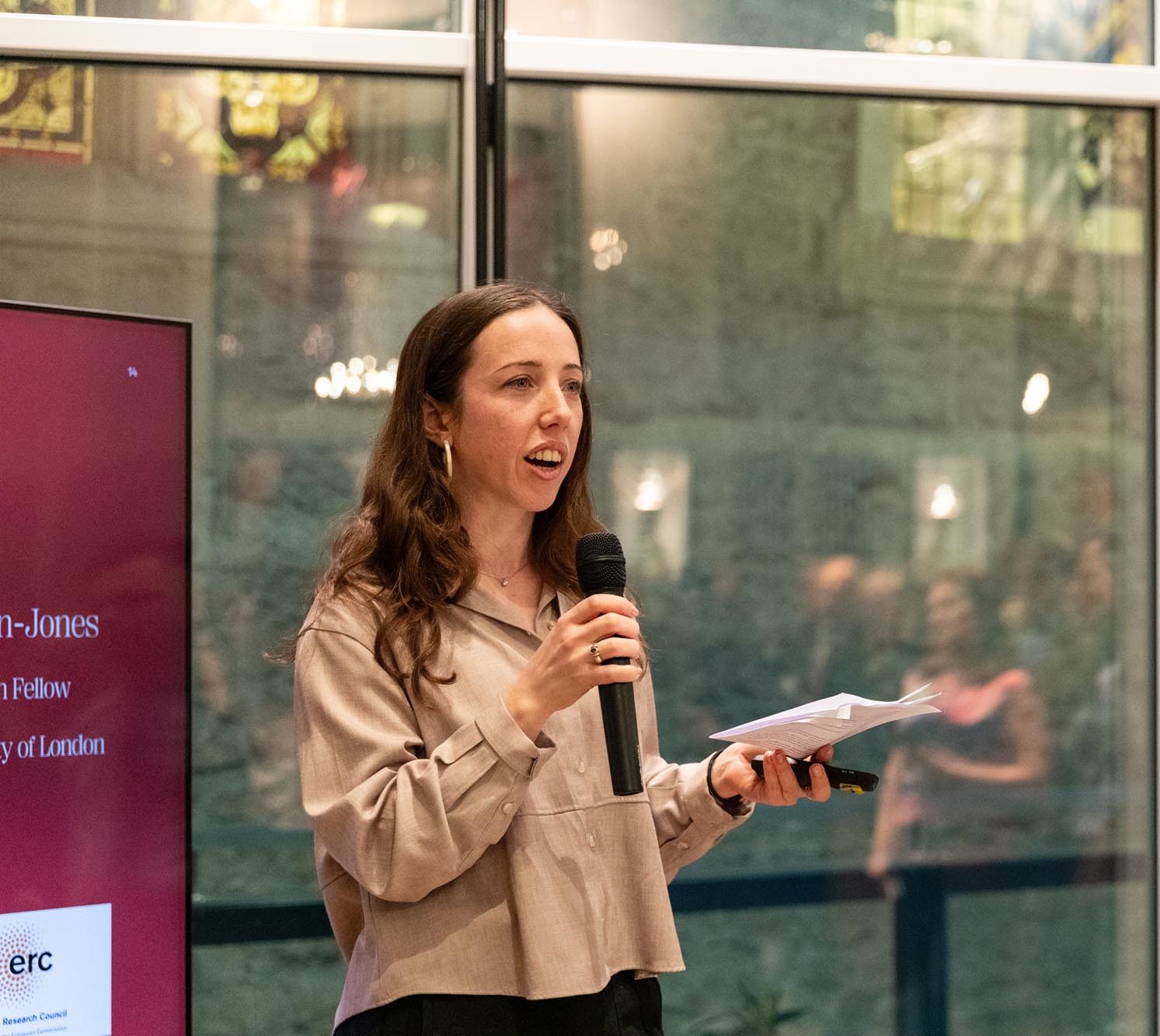
Celebrating creativity and innovation in leather science, design, and craft from across the Leathersellers' Alumni Network.