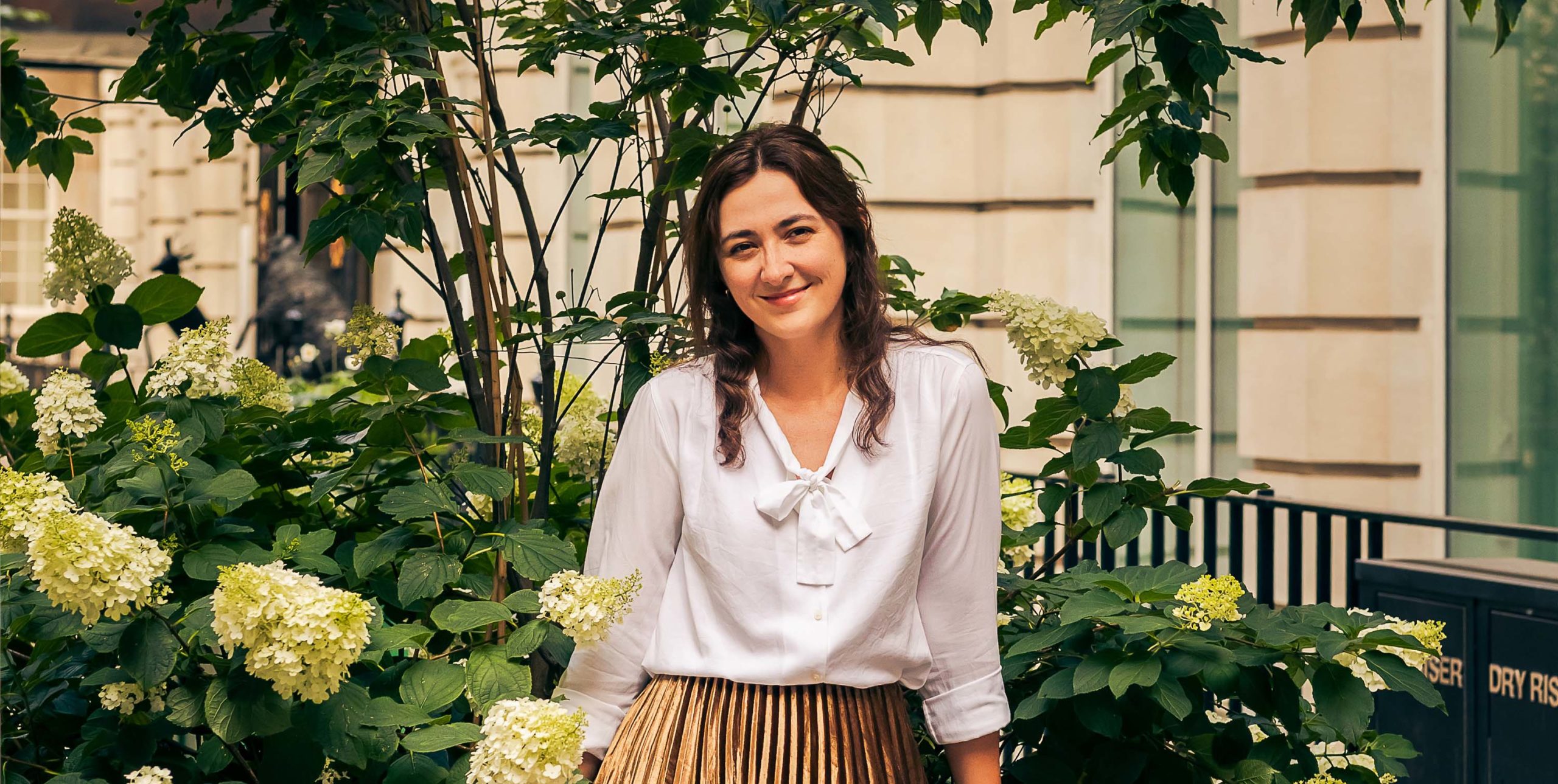
Leathersellers’ Alumni
Natalie Lauren Woodward


A Q&A with Natalie Lauren Woodward, recipient of a Leathersellers’ Student Grant and alumna of The Leathersellers’ Foundation.
Photography by Paul Read
Can you tell us a little about your background?
I grew up in rural Norfolk and, at 18, went to Oxford University to study Psychology and Philosophy. After graduating and moving to London, I realised I needed further training to pursue the kind of creative work I wanted to do, so I applied for a Master’s in Classical and Contemporary Text at the Royal Conservatoire of Scotland. This is where I was supported by The Leathersellers’ Foundation. As the first person in my family to go to university, every stage of my education has been made possible through bursaries, scholarships and grants.
What is your current employment, place of study, or profession?
I’m self-employed, with a “portfolio career” that spans acting, filmmaking and mentoring. As an actor and filmmaker, I’m interested in creating work that encourages conversation about the society we live in and the challenges people face. I also mentor young people who are outside mainstream education, often because health needs or a lack of support have made traditional education inaccessible. I’ve been involved in this work since I was 18, when I volunteered with a Norfolk charity helping talented state school students prepare for competitive Oxbridge applications.
Can you tell me more about what you currently do – any highlights?
This year I founded a social impact production company called MIMESIC to produce Unauthorised Absence, a short film exploring the impact that school attendance fines can have on families of neurodivergent children and those facing other barriers to education. As producer, I’ve overseen every stage of the project, from script development through to production and outreach. We’ve been fortunate to receive support from charities, campaign groups, parent organisations and experts working across education, psychology, healthcare and law, alongside an incredible cast and crew who have brought both professional expertise and lived experience to the project. We’re now hoping to take the film to educational screenings and film festivals to continue the conversation around these issues.
How has The Leathersellers’ Foundation supported you on your professional journey?
The Leathersellers’ Foundation funded the gap between the postgraduate loan available to me and my tuition fees. Without that support, the course simply wouldn’t have been financially possible. It was on this course that I learnt the skills and the confidence to create my own work. More than that, it empowered me to seek out opportunities, to learn how to run a company, and gave me the confidence and experience to apply for future opportunities.
What did this enable you to do?
It made it financially possible for me to move to Glasgow for the year and accept my place on the Master’s programme. That was the only institution in the UK offering the course, and studying alongside people from around the world gave me an international network that I still draw on today. It also gave me my first foothold in the entertainment industry and, perhaps most importantly, the confidence to believe I could build something of my own.

What barriers did it help you overcome?
Support from the Leathersellers’ Foundation practically made my postgraduate degree possible, and also gave me confidence in what I had to offer. Being part of the alumni community has been especially valuable because I’ve met people from similar backgrounds who have overcome their own challenges in very different ways. That’s been incredibly encouraging.
Would you have been able to achieve your ambitions without this support?
Honestly, no. Postgraduate study can be incredibly difficult to access financially, particularly for students from lower-income backgrounds. Without the Foundation’s support, I wouldn’t have been able to take up the opportunity that has shaped so much of my career since.
Do you think the grant has affected your chances of social mobility
Absolutely. Being the first person in my family to attend university, and now the only one to earn a Master’s degree, has opened opportunities that simply wouldn’t have been available otherwise. As postgraduate qualifications become increasingly expected in some professions, having access to that education has made a real difference to my career.
What do you like about being part of the Leathersellers’ alumni network?
I really value being part of a community of people from such varied backgrounds and professions who all share a commitment to making the most of the opportunities they’ve been given. I’ve also appreciated how genuinely interested members of the Leathersellers are in supporting alumni and following their journeys.
What does being a Leathersellers’ alumni mean to you?
It means being connected to an organisation that has invested in me and continues to champion the work I’m doing. Knowing that support is there gives me confidence to keep pursuing projects that matter to me.
What are your ambitions for the future?
I’ve always struggled with this question! If I wind back to teenage me, growing up in the beautiful, relatively isolated, fields of Norfolk, I’d never have imagined I would go to Oxford – let alone achieve a Master’s degree, found a company, or contribute to positive change through my work. More than anything, I hope to keep having the freedom to follow projects I’m passionate about, support other people to do the same, and use storytelling to challenge barriers and encourage positive change.
READ MORE
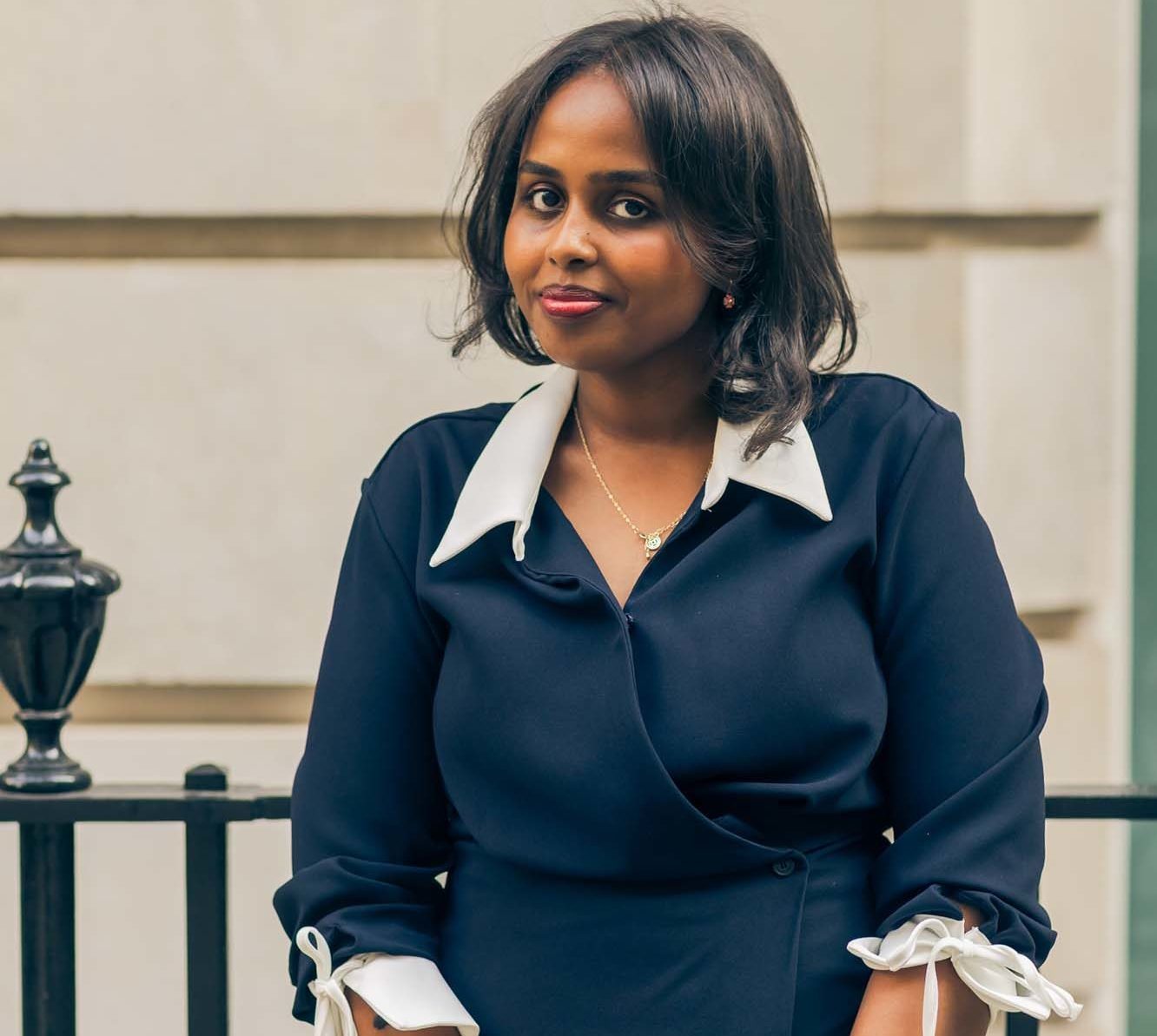
Alumni - Mariam Omar
A Q&A with Mariam Omar, a final year medical student at King's College London and alumna of the Leathersellers' Student Grants Programme.
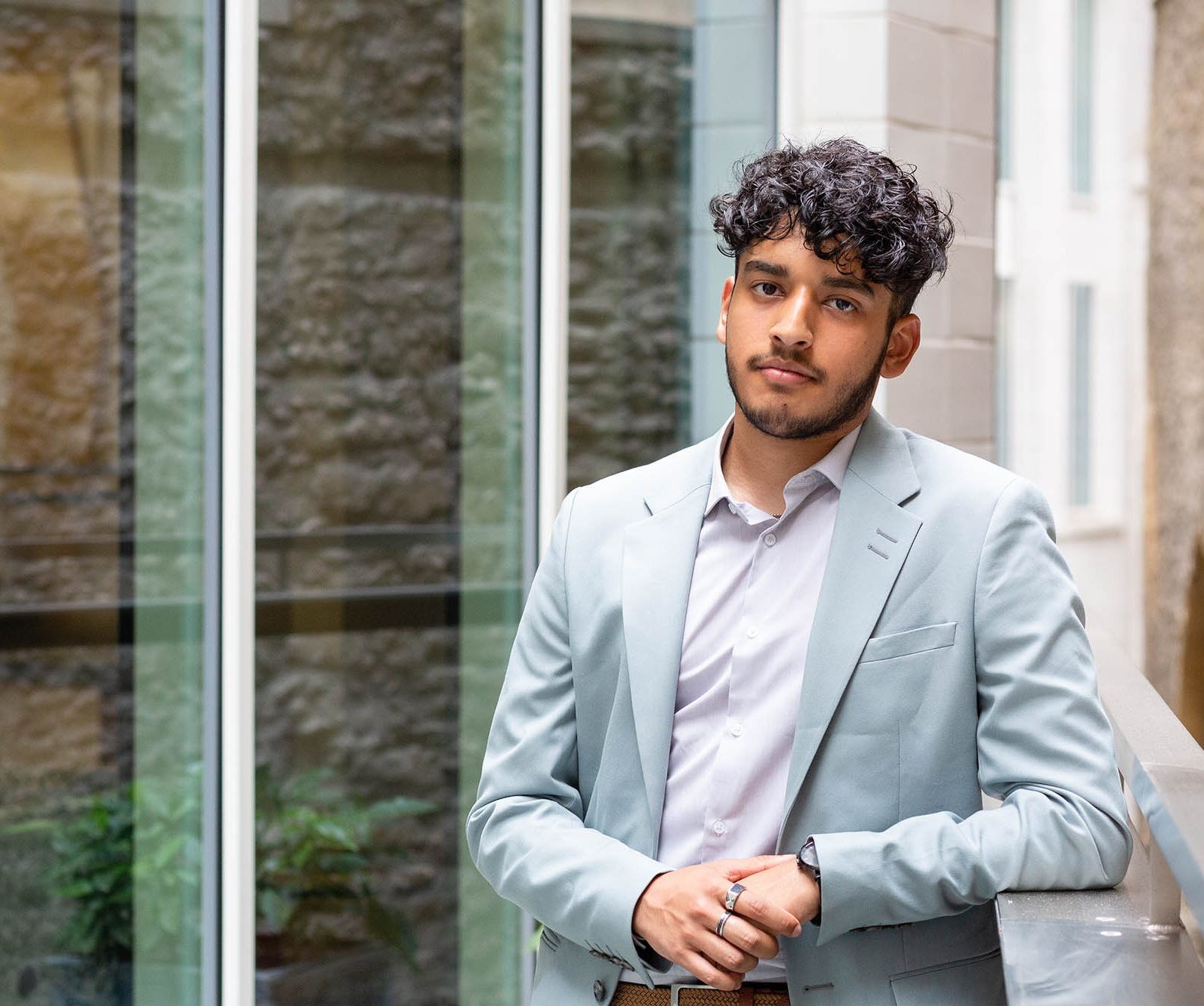
Alumni - Zakaria Ali
A Q&A with Zakaria Ali, a former Leathersellers’ Scholar at Colfe’s School.
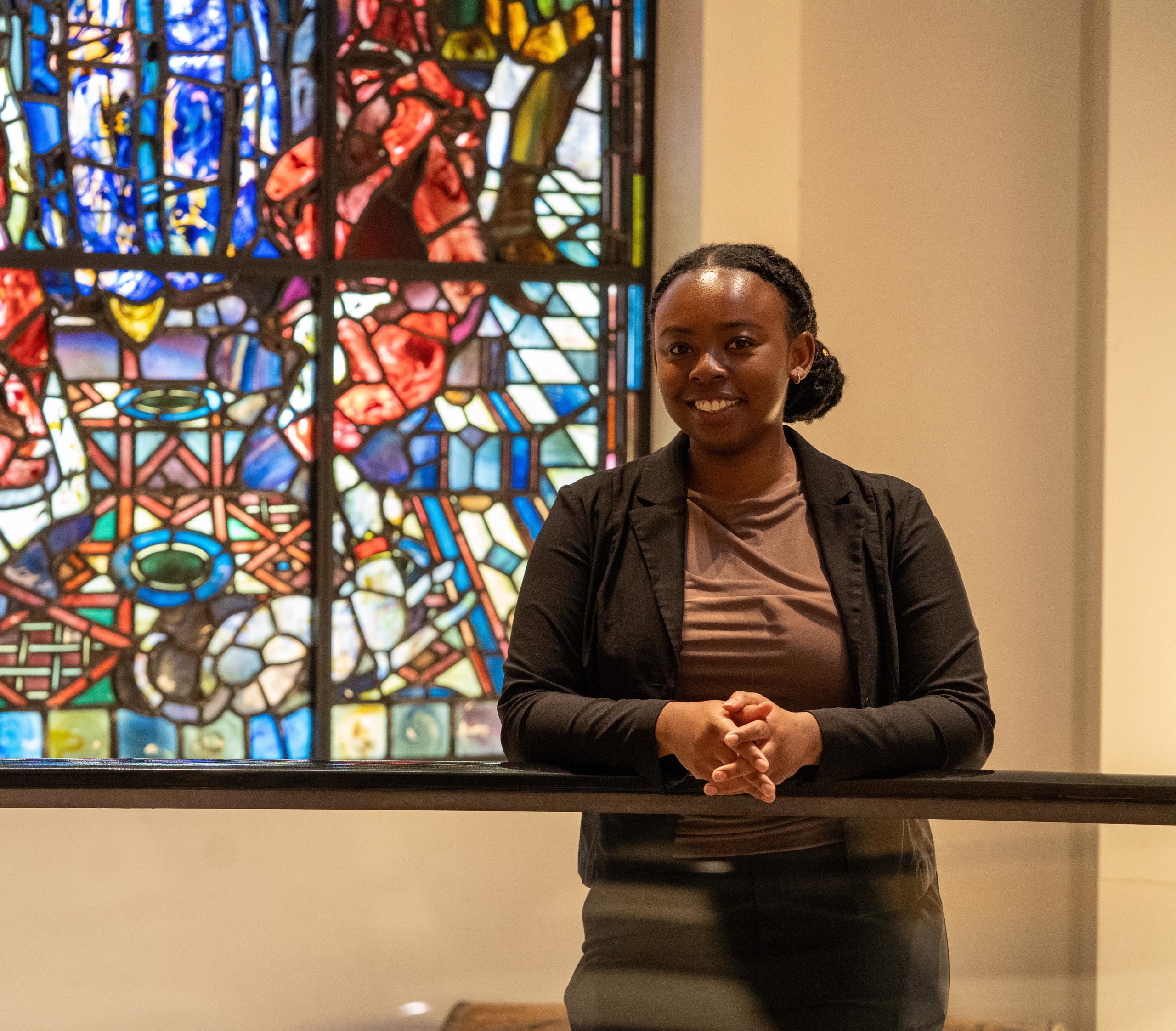
De'Tria Mclean
A Q&A with De'Tria Mclean recipient of a Leathersellers' Student Grant and alumna of The Leathersellers' Foundation.