Small and Mighty
The Small Grants Programme


How the recipients of The Leathersellers’ Foundation’s Small Grants Programme are proving that even in difficult times, a desire to help others and community spirit continue to thrive.
Words by Sarah Myers
Photography by Callum Toy
As households try to manage rising bills, it’s natural to assume that they would have less time and resources to help others, with their family’s needs taking priority. This view is supported by the 2024 Community Life Survey, which found that regular formal volunteering declined from 23% in 2019–2020 to 16% in 2023–2024.
In contrast to this, the British charities supported by The Leathersellers’ Foundation’s Small Grants Programme continue to attract and retain positive and thriving volunteer teams.
The Small Grants Programme provides one-off grants of up to £5,000 to charities based anywhere in the United Kingdom. In 2024 the programme supported 45 grassroots organisations addressing an evidenced need in their community. Those set to benefit range from people needing debt advice in Milton Keynes and women affected by the sex industry in Nottingham, to children with disabilities in Scotland. Despite the diversity of approaches and activities, the majority of grant recipients have something fundamental in common: their volunteer teams are flourishing.
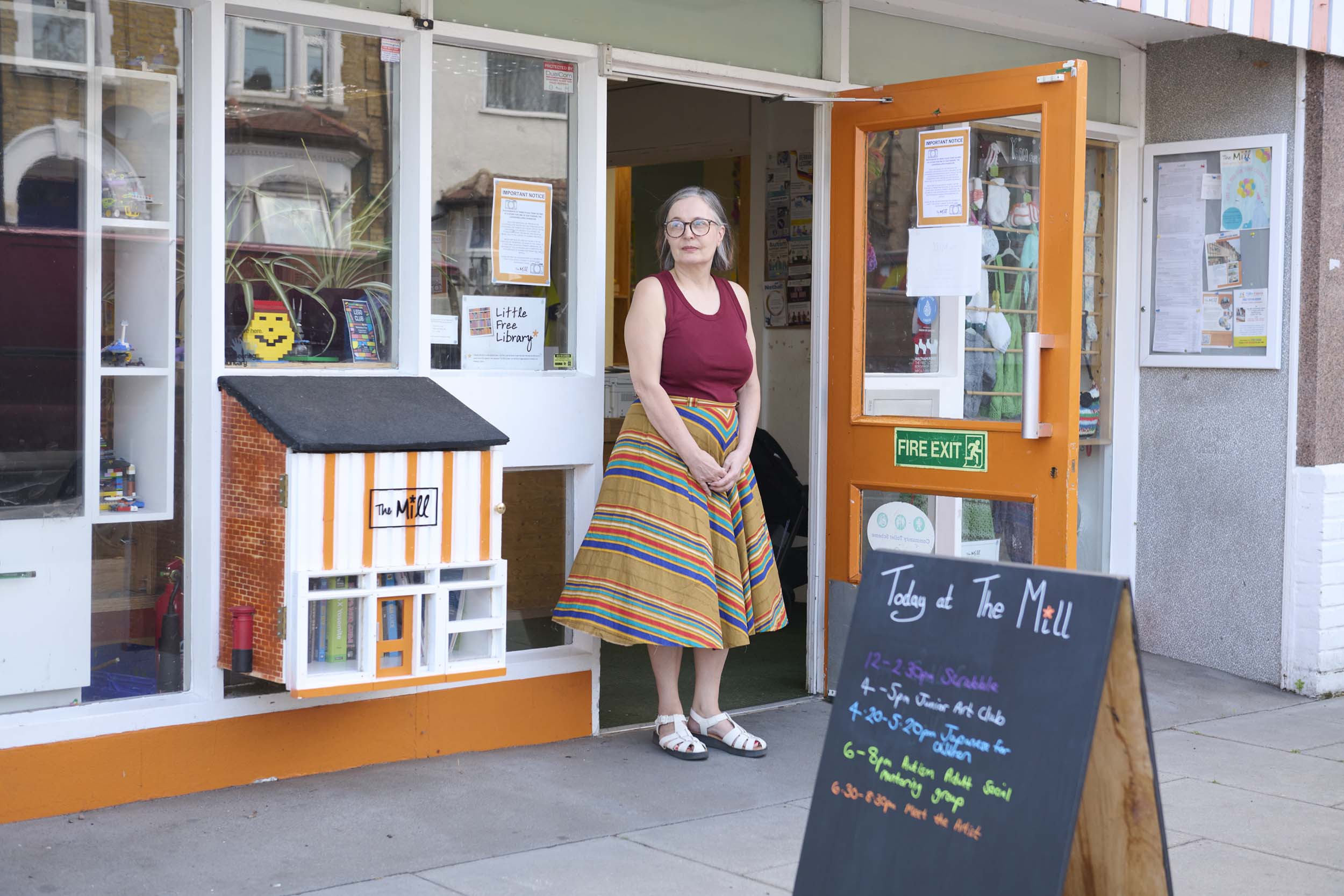
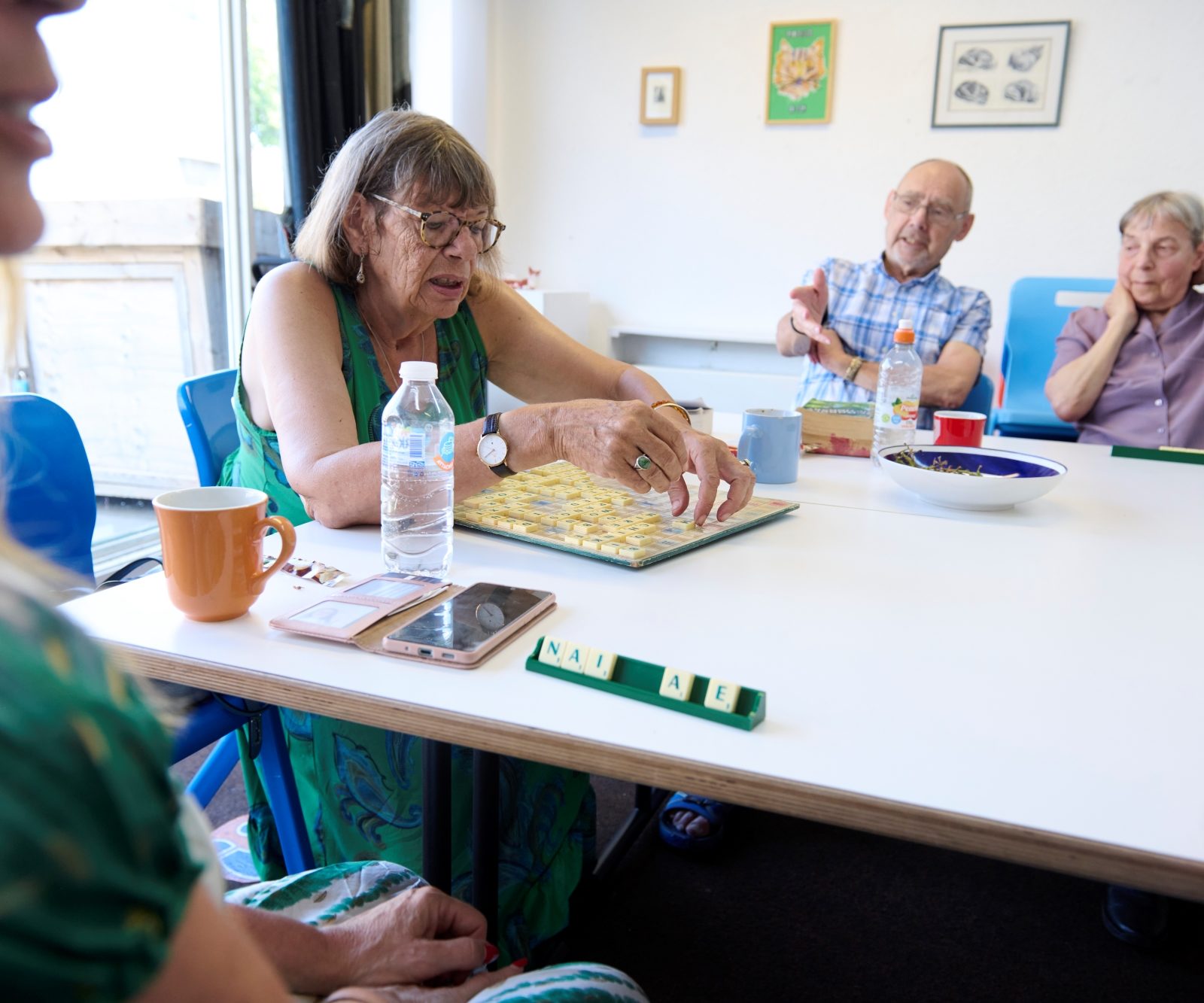
Leathersellers’ grant holder The Mill is more than a community centre, it’s ‘Walthamstow’s living room’, a place where people can feel part of their community. The Mill welcomes over 1,000 people through their doors every month, helping to tackle isolation and loneliness. With just five part-time staff members, The Mill depends on around 80 regular volunteers to deliver their range of community services. It’s estimated these volunteers contributed 14,000 hours to The Mill in 2023–2024.
“I love The Mill. Such a special place with new and exciting things going on. Never the same, but everyone is pleased to be here!”
Sharon Goldman started volunteering at The Mill’s reception in 2022 and is now their Chair of Trustees. “The Mill simply couldn’t run without volunteers,” she says. “Our reception is fully staffed by a pool of volunteers. Volunteers provide our core offer – they’re the ones running the sewing group, the knitting group. They’re the ones building relationships with the people who come along to The Mill.”
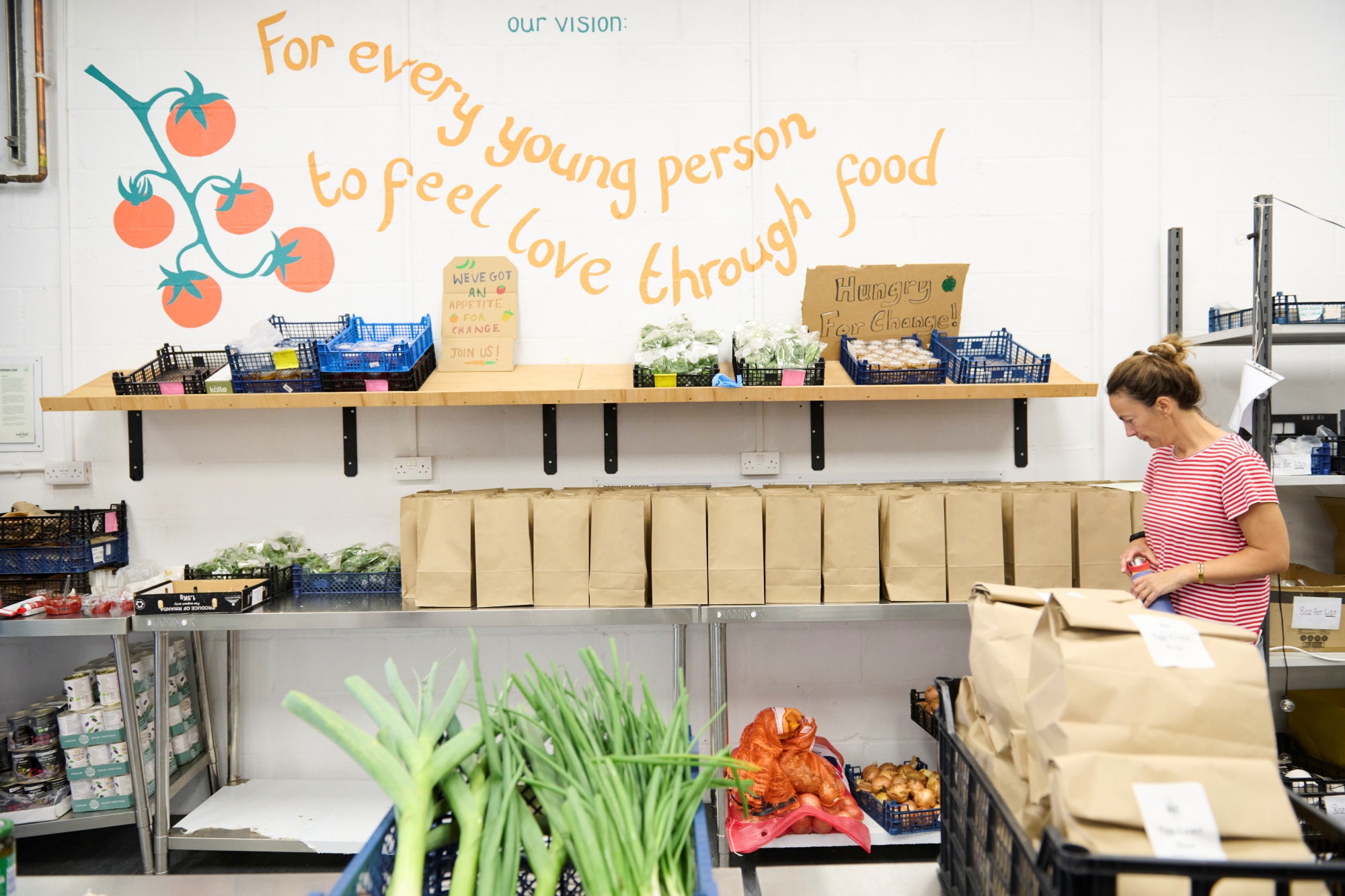
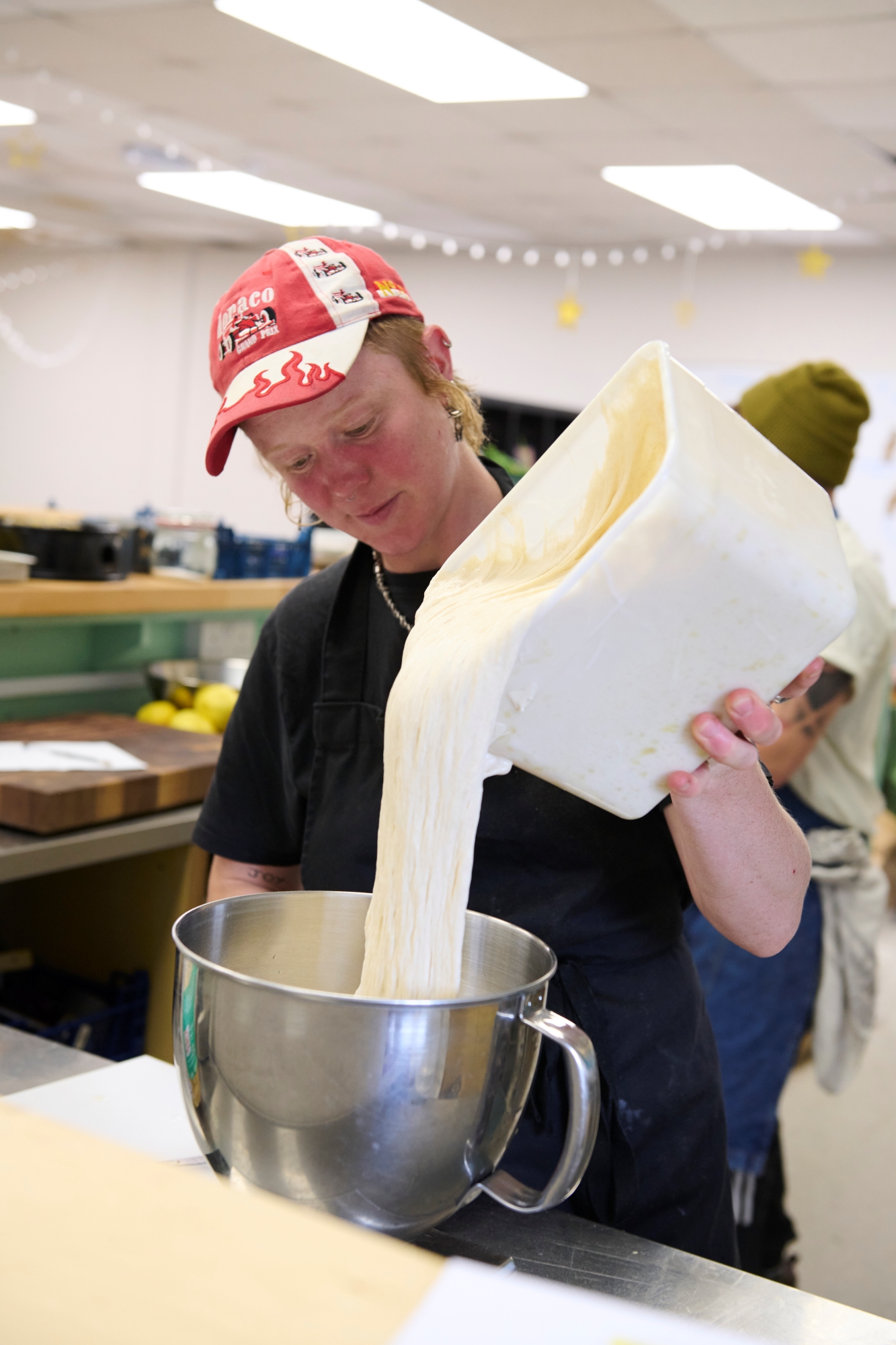
Grant recipient The Mazi Project in Bristol maintains a similar sized volunteer team of 80, which dedicates its time to providing good, fresh food and cooking education to 16 to 25-year-olds, including care leavers, young people seeking asylum, young people with experience of homelessness and survivors of domestic violence. Since March 2021 the charity has directly supported over 400 vulnerable young people in Bristol, delivered over 125,000 nutritious meals, and guided 13 young people toward careers in the food industry.

Bucking the trend of declining volunteer numbers
In a recent article, Reach Volunteering CEO Janet Thorne noted “a profound shift in how and why people volunteer,” noting “a surge in grassroots, volunteer-led initiatives.” This is certainly true of applicants to the Small Grants Programme, where in 2024 the large majority were led by and for their community, often starting out as, or continuing to be, volunteer led.
Stacey Lamb, Leathersellers’ Head of Charity Grants, says, “The ability of small charities to recruit and maintain consistent volunteer teams when national numbers are in decline is a testament to the community that they create. To deliver their level of sustained service through volunteers relies on more than a sense of responsibility – the charities have succeeded in establishing a mutual benefit. For their volunteers, giving their time is part of their life, and the way that they are supported to contribute brings them joy and satisfaction.”
Creating positive experiences
“There are only two and a half paid staff at The Mazi Project,” says volunteer Rachel Ayres. “Then there’s this army of devoted volunteers. The charity is very good at nurturing us, by making us feel welcome when we arrive and by keeping in touch. They communicate regularly. For example, there’s a WhatsApp group with lots of positive feedback.”
Importantly, Rachel says, volunteering is fun. “They make it an enjoyable experience for us. It’s very task-focused, but there’s nice music playing and there’s always hot drinks available. You feel like you’re going to a special event. It’s absolutely lovely,” says Rachel. “When I stopped work, I thought, ‘Am I going to continue to be useful?’ As a volunteer, I feel useful and valued. That’s so important. I think that The Mazi Project is a great place to put my time into, because it’s helping so many people, and the focus is so much on the input of volunteers.”
Building supportive relationships
At The Mill, volunteering is not something that is seen as a detached ‘thing to do’, but rather a part of the day or week in that person’s life that is met with compassion and support to enable them to give their time and skills. This partly explains why they manage to retain a relatively large number of volunteers.
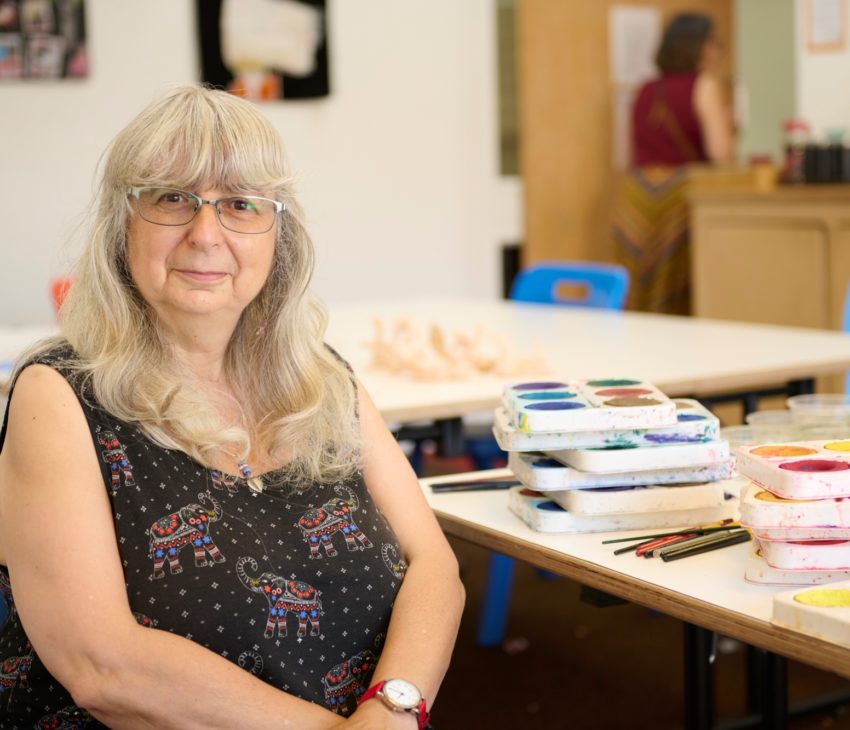
One of the benefits of having such a big team of volunteers is that The Mill has people from lots of different backgrounds involved in what they do. “They bring a diversity of ideas, their own personalities and strengths,” says Kim Dexter, The Mill’s Community Organiser. “They can be empathetic and relate to different people.”
In a complementary approach, alongside The Mazi Project’s regular volunteers the charity teams up with local companies that send staff to help out through corporate social responsibility or employee volunteering schemes. “I could be packing with somebody who’s an aeronautical engineer one week or a PR person the next,” says Rachel. “Volunteering is exposing me to all kinds of interesting people that I wouldn’t otherwise have contact with. I absolutely love going into that environment, which is always very buzzy.”
The Mill’s Chair, Sharon, has a similar experience to Rachel – she feels like she is making a difference, while gaining purpose, support and friendship. Sharon retired from a career in social work to look after her husband when he was ill. Sadly, he died shortly afterwards. “Having had a really full working life and family life, I was suddenly on my own with all this time,”
A win-win for communities
Traditional ideas of volunteering may raise images of fundraising on the high street, making tea, or taking calls. For the volunteers of the small charities supported by the Leathersellers, this is not necessarily the reality. The skills that volunteers bring are often advanced, meeting a critical skills gap in the organisation.
The Mazi Project’s founder, Melanie Vaxevanakis, says that volunteers such as Rachel always “go the extra mile.” She says, “Rachel helps us with impact measurement, we have a volunteer finance manager, a volunteer who helps us with social media and many others. Without volunteers we wouldn’t be able to do our meal kits or run our education programmes. They’re amazing.”
Sharon’s journey from greeting visitors at The Mill to her appointment as Chair of Trustees is indicative of the value and weight that the volunteer voice carries within small charities, contributing not only to running the organisations they support, but also to how they’re run.
One of the things that Sharon did when she became a trustee was to introduce ‘Mill meet-ups.’ Every two months, anybody involved – in any capacity – is invited to come along to discuss how The Mill works and share their ideas for the future. “I’ve consulted with people at the meet-ups about The Mill’s 2023–2025 strategy, for example,” says Sharon. “It’s a way to get more ideas and a real opportunity for people to feel involved in how things happen.”
Sharon believes that volunteers build on the strengths and skills that already exist in the community. “We say to people, ‘If you think there’s something that’s needed in the community, how can you make that happen? And how can we help you?’ Even if they might be having difficulties in some other area of their life, it doesn’t mean that they can’t still be contributing in some way. We see everybody as being able to contribute.”
“The Mazi Project gives me confidence to cook and inspires me to care about my health and well-being.”
Looking to the future
The experiences shared by Rachel, Sharon and volunteers across the small charities that the Foundation supports are undoubtedly positive. While there is concerning reliance on the growing need for volunteers to provide charitable services, it enriches not just the individual and the charity, but also the community. The task then is how to provide the correct and commensurate assistance to support such a laudable and valuable contribution.
Stacey says, “As we deservedly celebrate the incredible work and commitment of volunteers and what small charities have been able to sustain against all odds, we should be conscious of the growing dependency and limitations of this model, and ensure that the necessary structural support is in place to consider both the well-being and mutual benefit of all involved.”
Melanie, founder of The Mazi Project agrees. “There’s only so much you should ask of volunteers – and the voluntary sector in general – when it comes to tackling human rights issues,” she says. “It’s scary how much we can be dependent on volunteers. We definitely couldn’t function without them. And they continue to be a real source of hope in a volatile world.”
—
About the Leathersellers’ Small Grants Programme
The Leathersellers’ Small Grants Programme reopened on a rolling basis on 1st September 2025. UK charities and CIOs meeting an identified need in their community are welcome to apply online for an unrestricted grant of up to £5,000.
READ MORE
The Power of Play
How physical activity is helping to build transformative relationships with young people who have experienced trauma.

Creative healing
Meet two Leathersellers’ Foundation grantees using music, art and drama to address adverse childhood experiences and break cycles of trauma.
Visyon: Supporting Young People’s Mental Health in Cheshire East
The work of Visyon, a charity for young people, shows the power and potential of community-focused approaches.