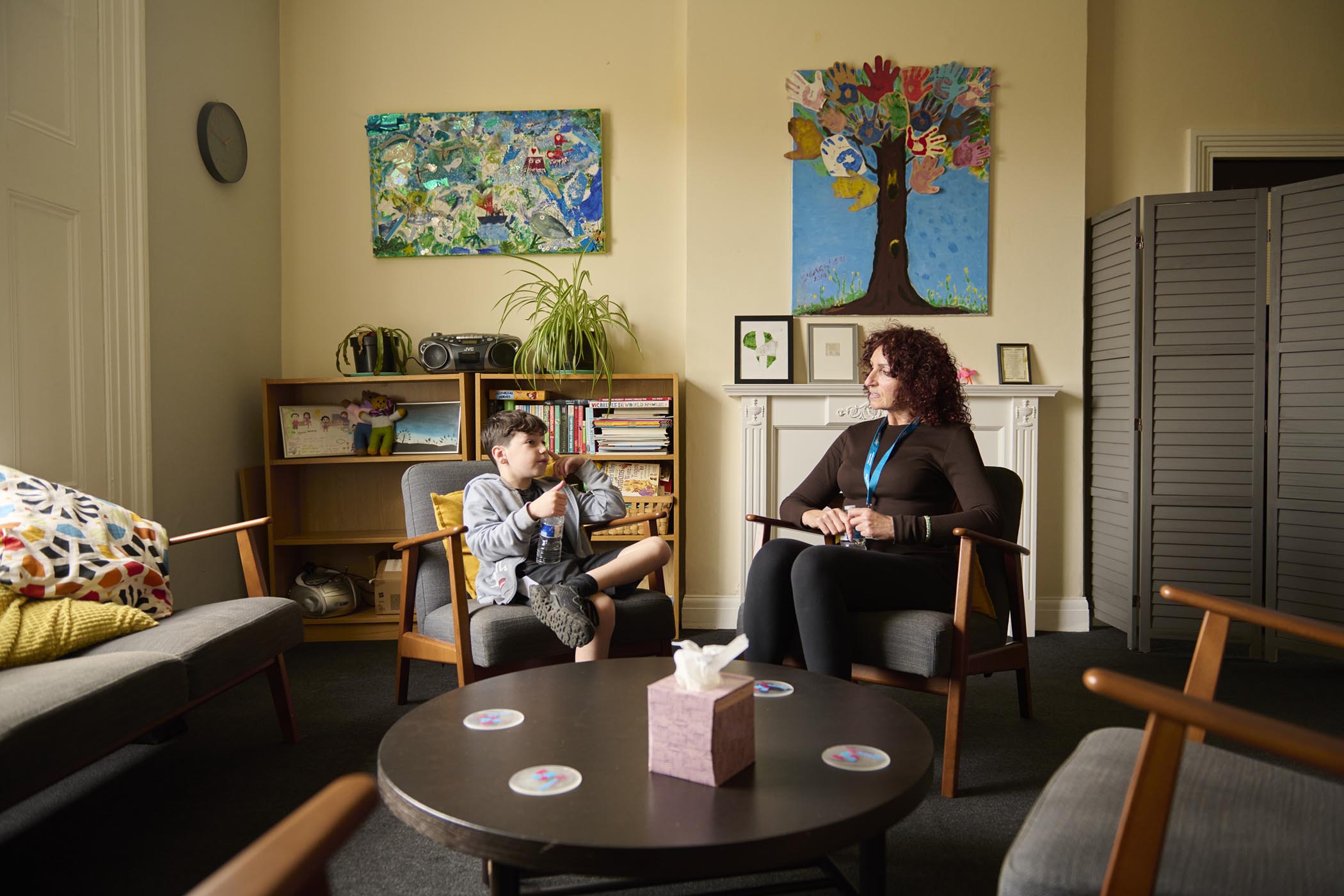
The Science of Connection
And the Power of Relational Practice


Evidence is mounting that relationships past and present shape our lives in hugely significant ways. From the emotional experiences that we carry with us into adulthood to the long-term biological protection offered from attuned, reliable relationships, the power of connection and relational practice hold tremendous potential for how to approach the prevention and healing of childhood trauma.
Words by Ellie Broughton
Photography by Callum Toy
Making plans to go for a Friday afternoon coffee with a friend; ringing your mum after she’s been ill; working elbow-to-elbow in peace with a new deskmate: you don’t have to be staring into the eyes of your best beloved to experience the importance of connection in your everyday life.
From education to sales and marketing to public health, the science of connection has become a growing interest across many sectors over the last 10 years, particularly in the wake of the pandemic. Evidence is mounting that relationships past and present shape our lives in hugely significant ways.
For example, in 2025 a decades-long study of over 700 people found that children’s interactions with their mothers predicted attachment styles for adult relationships with parents, best friends and romantic partners. Researchers continue to find evidence for connection throughout our lives: a 2025 study of 2,100 people in the USA suggested that strong friendships in adult life may slow physical ageing. Science of connection research is becoming so influential that experts have just advised that attachment theory be on the curriculum for social work.
Research on relationships – or lack of – can also warn us about risks. A 2024 World Health Organisation survey found that more than 1 in 10 adolescents admitted to struggling to control their use of social media and experiencing negative consequences. The impact of the isolation and loss of connection from social media is being taken increasingly seriously around the world, with all eyes on interventions like Australia’s 2025 social media ban for under-16s.
Someone at the forefront of shaping the direction of this international conversation is Dr Suzanne Zeedyk, a science communicator who leads and teaches on the science of connection. In 2011 she left academia and since then she’s reached more than 150,000 people through speaking events alone.
She regularly hears feedback about the life-changing nature of the theory and research she shares with adults. “I had people just yesterday in a course that I was leading who said, ‘I wish someone had told me this when my children were babies’”, she says. “I often hear ‘I wish someone had told me this before I had children’.”
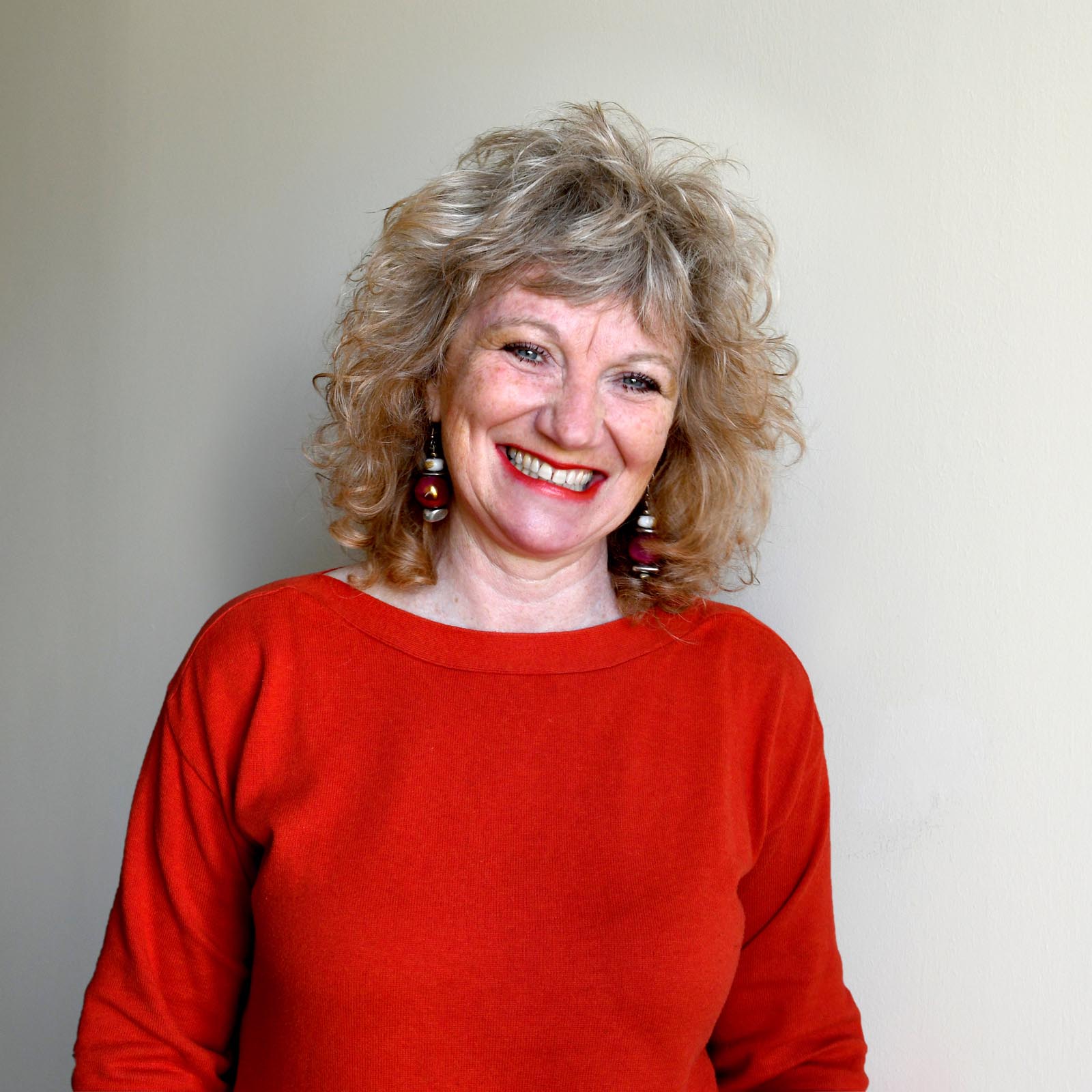 Dr Suzanne Zeedyk
Suzanne’s work is influenced by the publication of a paradigm-shifting paper on the way we understand the science of connection. In 1998 US researchers Vincent Felitti and Robert Anda found a strong relationship between Adverse Childhood Experiences (ACEs) (abuse, neglect and household dysfunction) and higher incidence of health problems in adulthood (both physical and mental) in over 17,000 participants.
“In my view, the most important thing the ACEs study gives us is the idea that the emotional experiences you have in childhood have a biological impact that you carry into your adulthood,” she says.
Findings on the protective effect of caring relationships is equally important, she says: “It also gives us the insight that those experiences that are most distressing, are the ones that happen when there is no one to help you. So as a child, if you have an adult who is reliably emotionally attuned to you, that is biologically protective for the whole of your life.”
Therapy
Like Suzanne, The Leathersellers’ Foundation’s focus on ACEs is underpinned by this original report and subsequent research. In September 2022, the Foundation embarked on a five-year strategy to help prevent and tackle the harm of ACEs, prompted by the growing body of evidence and the prevalence of work around childhood trauma amongst many funded charity partners.
One such partner is south London charity Jigsaw4u. The charity offers therapeutic support to 11- to 24-year-olds with symptoms of depression and anxiety, many of whom have experienced ACEs. In the last five years the charity has expanded from three London boroughs to six and received awards both for its counselling service, and for a film made about that work. In 2025, the charity offered over 16,000 one-to-one sessions.
Stephen Loizou is Jigsaw4u’s Chief Executive Officer. He worked as a support worker before doing a degree in psychoanalysis and psychotherapy. “At our service there’s people literally thanking the staff for saving their lives, not knowing where they would be if it wasn’t for them, saying how lost they were prior to having support,” he says. “I see young people coming for sessions: from the first day they walk in, the stress is palpable – then seeing them being young and being free again, as they should be as children and young people.”
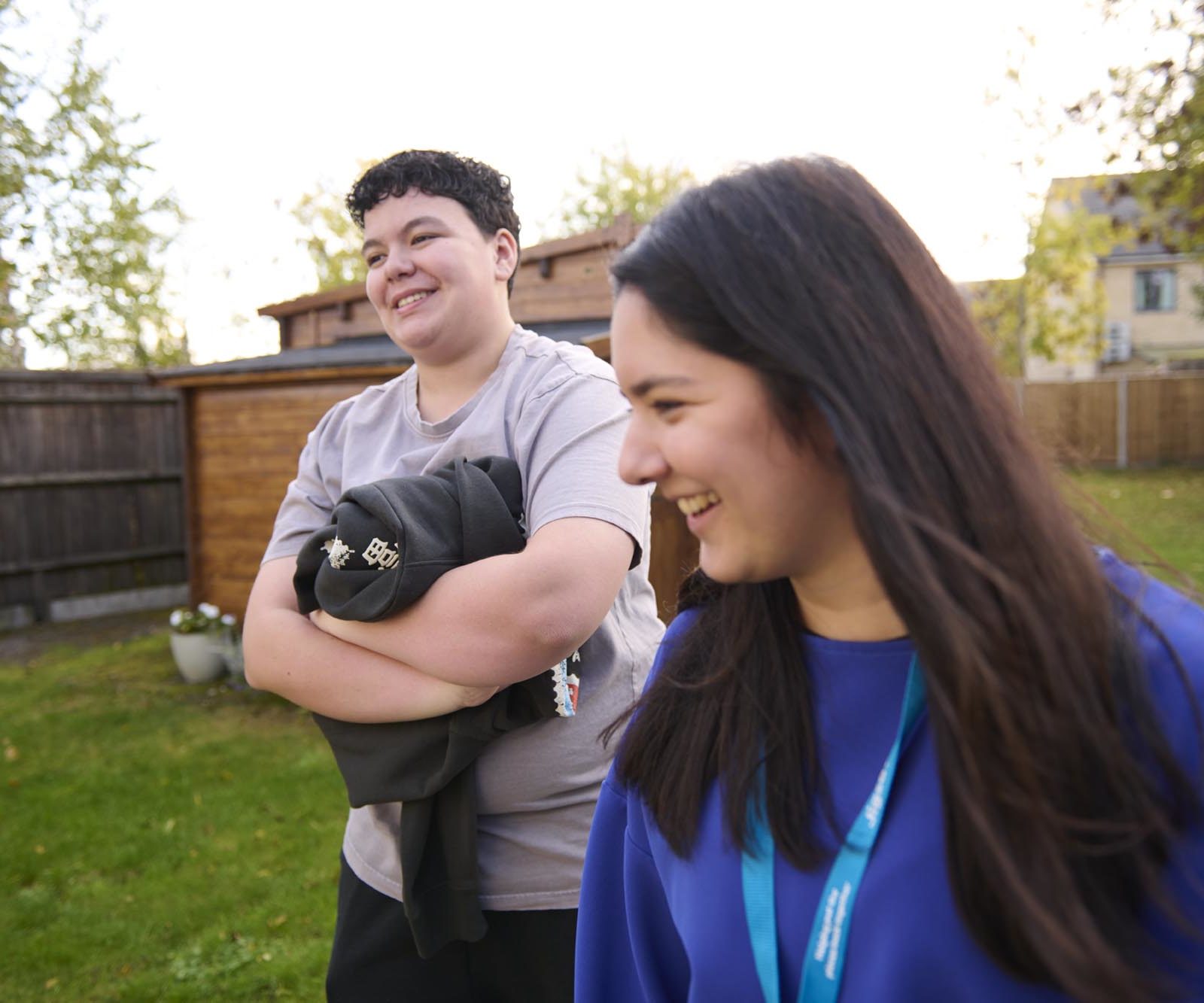
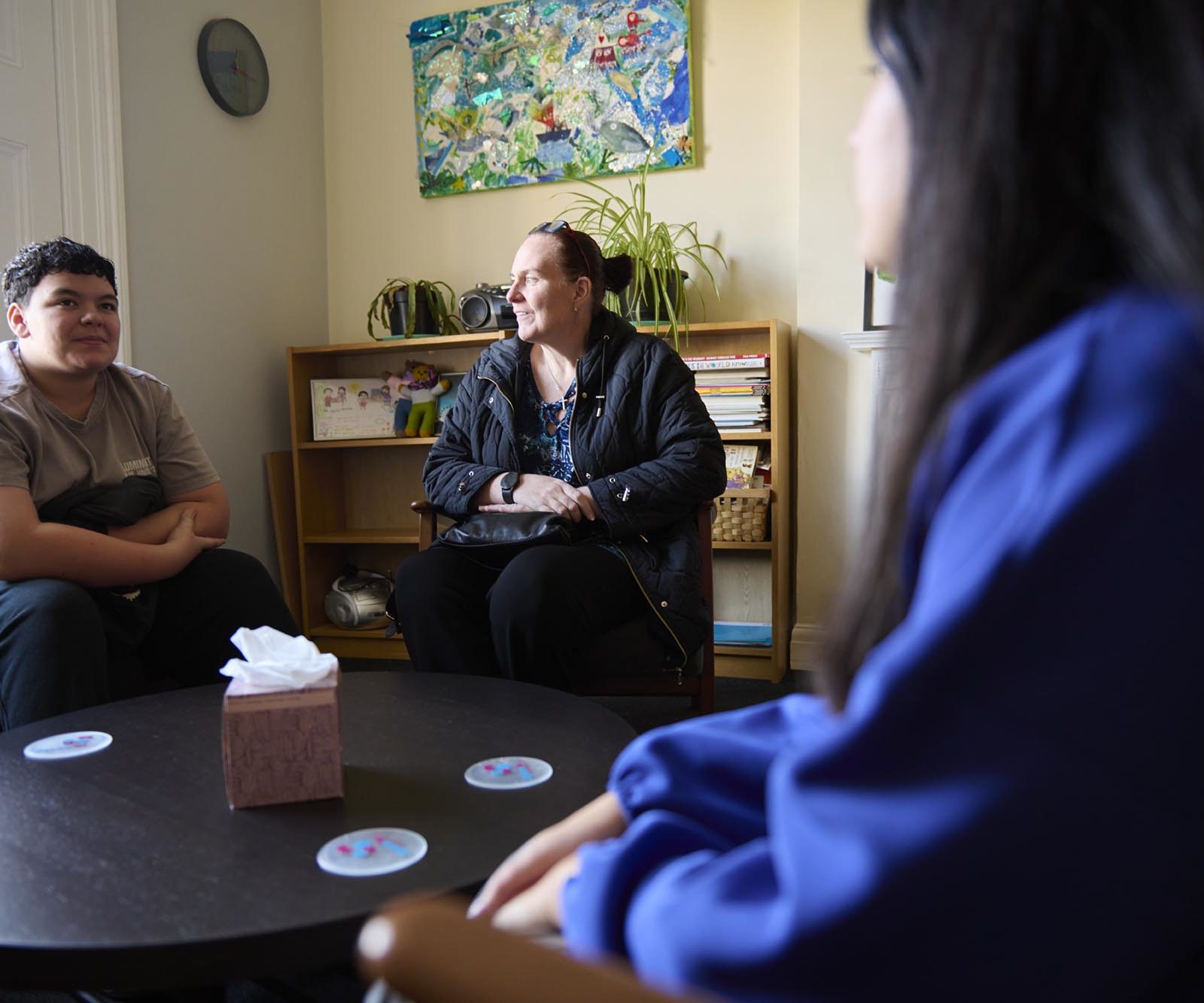
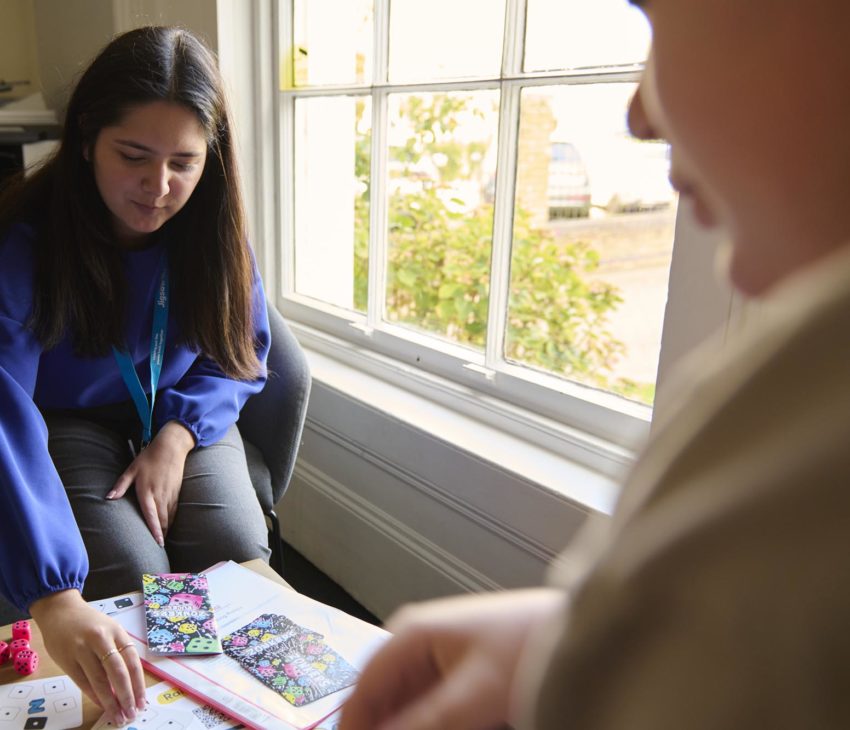
“I see young people coming for sessions: from the first day they walk in, the stress is palpable – then seeing them being young and being free again, as they should be as children and young people.”
Stephen says relational working is essential to Jigsaw4u’s programme. “As a professional it’s life-changing to learn about attachment theory: how to identify where an individual has an attachment difficulty and how to potentially help them overcome that,” he says. “It’s like a miracle every day. We can’t say if our intervention stops that from happening for any individual. But we don’t need to know. We just need to know we did the right thing at the time.”
As Stephen’s work shows, it’s one thing to know about the effects of Adverse Childhood Experiences, and another to work with children and young people experiencing them.
Charities like Jigsaw4u’s use of therapeutic interventions for children and young people with recent trauma demonstrates the need for holistic support, with therapists working together with parents, teachers, social workers and volunteers where a child needs it. Therapeutic listening has been shown time and again to support people with a history of trauma, Suzanne explains.
“What you learn from trauma, what your body learns, is not to trust,” she says. “It means you’ll be cautious, you’ll be a bit anxious about emotionally trusting other people. So in order for your body to relearn that other people are trustworthy, you need somebody else who is really attentive, who is really listening, and who can stay stable and calm in the midst of your own anxiety or heightened stress. Working with people who carry the impacts of childhood trauma teaches us just how powerful attuned and active listening is. It can help you to heal, even if you’re already bringing a dysregulated stress system.”
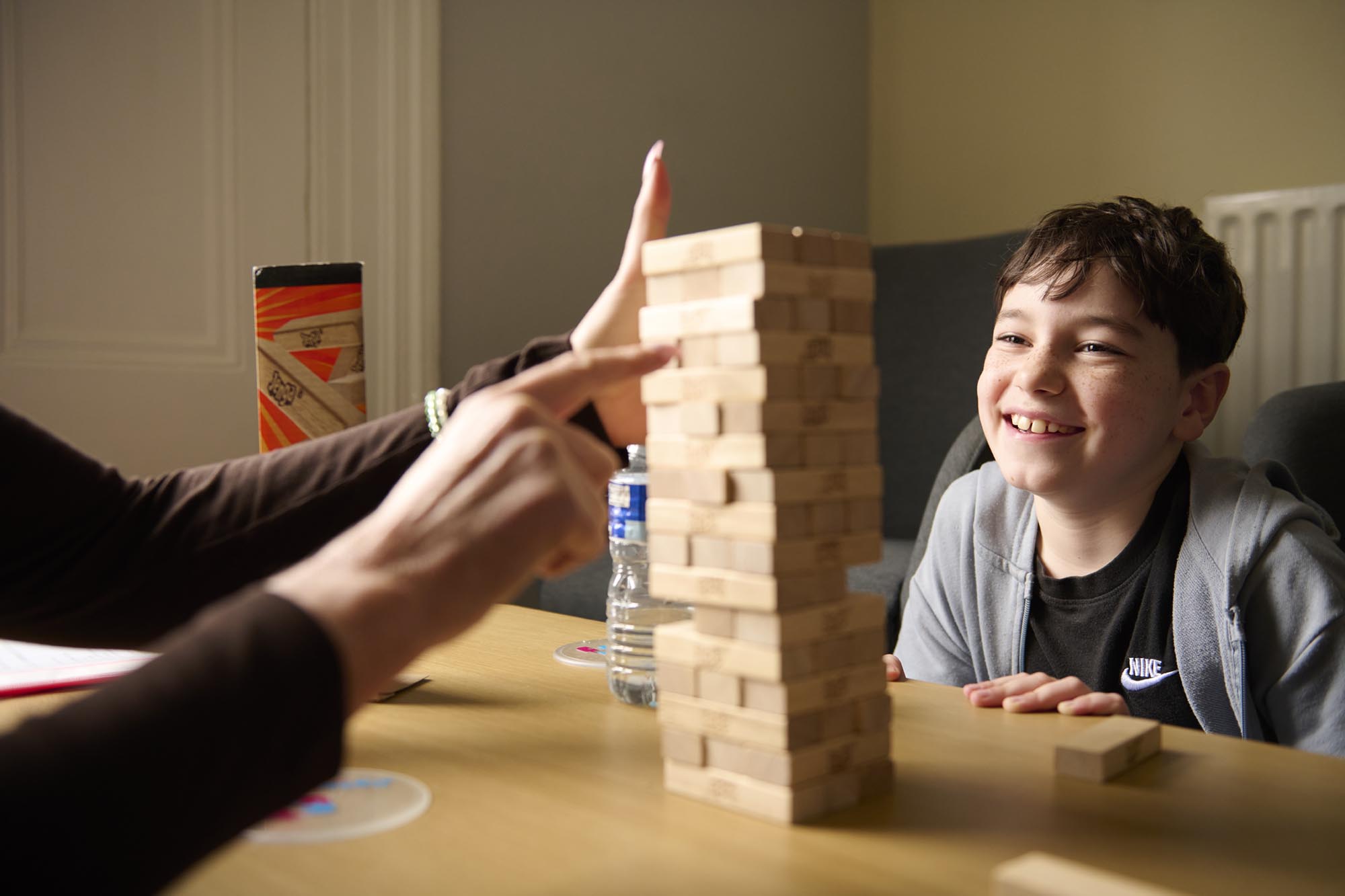
Therapy can also help destigmatise attitudes that children and young people may have towards what has happened to them, Suzanne says. By creating a rapport or ‘alliance’ with a therapist, it changes the sense of isolation that is typical in those of us whose experience makes us feel different or disconnected from others: “‘Co-regulation’, which is the fancy name for active listening, works even for people whose stress system gets heightened. That feels really hopeful and encouraging, and lets us place trauma within the broader range of being human, rather than set apart people who carry trauma as this ‘special group’.”
Mentoring
Therapeutic support and counselling are classic examples of support for young people with Adverse Childhood Experiences. But services like mentoring can have an equally important impact on a young person’s life.
Louise Johns-Shepherd is the Chief Executive of The Kids Network, a London mentoring charity that provides around 5,000 hours a year of mentoring to children via adult volunteers.
Before she ran The Kids Network, Louise was a headteacher in Peckham – something that has informed the level of reporting and data-gathering that now sits at the heart of the charity. The charity uses a standardised measure, the Stirling Scale, through which mentees can self-report well-being throughout their contact with the charity. The numbers speak for themselves: in 2024, 87% of mentees saw their well-being improve during mentoring.
The Kids Network’s data practices have also helped them participate in research on mentoring. A report published in 2025 that used their outcomes data found that mentoring helped reduce the number of young people not in education, employment or training (NEET), improve social mobility and enhance well-being.
“There’s a lot of achievements I’m proud of: the sheer number of children that we get through the programme, the number of hours that the mentors deliver, the fact that we managed to recruit so many people from London to give up their time,” Louise says. “But the thing I’m proudest of is the evidence that we have that it works. What makes it a better programme is knowing that the data bears out what we hear from participants.”
Simple everyday mechanisms like our tendency to ‘mirror’ one another are aspects that can be used to help us regulate whatever the nature of the relationship, Suzanne says.
“Human beings’ bodies are affected by the interactions that they have with other human beings,” she says. “That’s how we are biologically wired. It’s really fascinating to think about how, if one person is calm then the other person will pick up that calmness, or if one person is responsive, the other person’s brain will pick up the responsiveness – especially when you’re a child, your brain weaves neural connections noting the pattern.
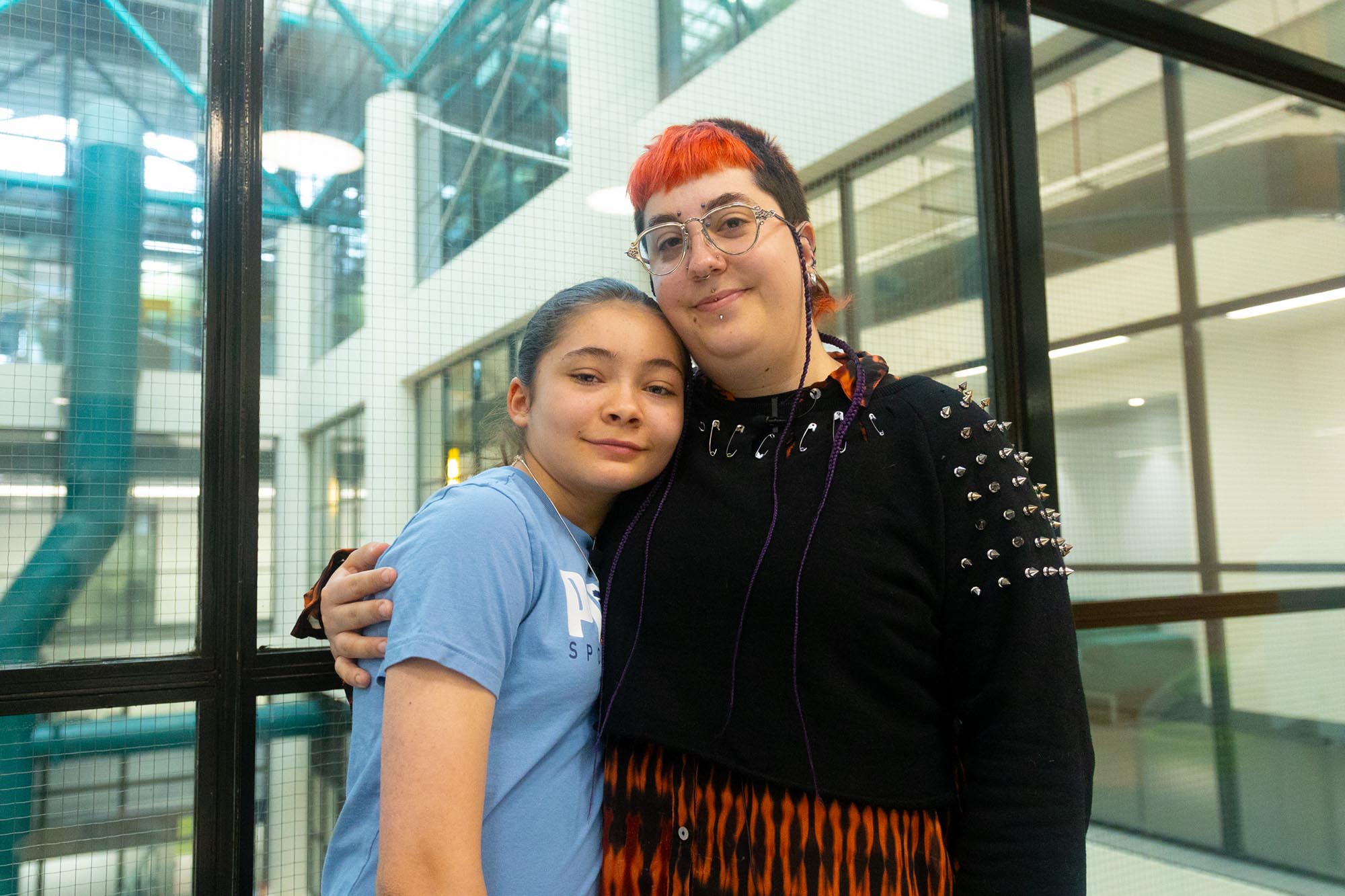
“Our bodies pick up on the rhythms of someone listening to us. Our bodies feel when someone is paying attention to us, and if that’s empathic attention, then they calm down and they feel safe. If that is important for all human beings, how much more important is that if you carry Adverse Childhood Experiences?”
“Our bodies pick up on the rhythms of someone listening to us. Our bodies feel when someone is paying attention to us, and if that’s empathic attention, then they calm down and they feel safe. If that is important for all human beings, how much more important is that if you carry Adverse Childhood Experiences?”
“That is not to say that ‘mirroring’ is simply showing off a calm adult nervous system in the face of distress, or teaching someone a lesson about stress,” she explains. Mirroring works when an adult creates rapport: an atmosphere of trust and safety in which a child or young person can be themself. In that respect, mentors are ideally placed to grab opportunities like this.
“It’s easy to imagine that a mentor or a therapist is kind of modelling a way to be or is teaching you something,” she continues. “But the key thing that they are actually doing, is being with you, responding to you, noticing how you’re feeling, and making it safe to reflect on how you’re feeling, on keeping your body calm. Healing, if we want to use that word, happens within the relationship and the relational exchanges that are happening, sentence by sentence or facial expression by facial expression.”
For Suzanne, teaching adults about the science of mirroring is one of her favourite parts of her work. “People are really fascinated when they understand this underlying biology,” she says. “It makes them feel curious, proud, engaged and relaxed, because they realise they don’t have to ‘get it right’. They just have to be interested, attuned, and a good listener. If harm has been done in relationships earlier in life, which is what happens after Adverse Childhood Experiences, then healing also happens in relationships when people are with you, responsive and tuned into your feelings. That is what is happening in both mentoring relationships, and in therapeutic relationships.
“Even a small amount of training can help to encourage healing and recovery in another person. The most important thing is the quality of your listening and attention. That’s true for people recovering from the trauma that might come from Adverse Childhood Experiences, and it’s true for all of us.”
Beyond ACEs
As therapists and mentors have worked with Adverse Childhood Experiences over the years and the impact of Felitti and Anda’s work has grown, researchers have raised the question of whether the original ACEs list ought to be expanded beyond the original ten. Loss and neglect within families are undoubtedly traumatic, but the same factors within neighbourhoods and communities are no better for children’s development. Now cultural factors such as poverty, crime, racism and war are being examined for their impact on adult outcomes for children. This extended list of adverse experiences will be closely considered as part of the consultation and development of Leathersellers’ next giving strategy, to be launched in late 2027.
Research from Queen’s University Belfast into the impact of the Troubles is part of this new wave of research into the impact of social experiences on health outcomes. One report published in 2025 found that 60% of the adult population reports experiencing at least one ACE, with nearly one in five experiencing four or more.
Mary Holmes is the Chief Executive Officer of The Churches Trust. Based in Derry/Londonderry, the charity runs a number of services including one- and two-year programmes for adults.
Mary sees the Trust’s work as a rights-based approach to improving health outcomes. “Our organisation firmly believes that it is a person’s right to understand that what happens to a child impacts their physical and mental health for the rest of their life,” she says. “We give an overview of what ACEs are about: we do it in a very everyday manner, using plain language, and we provide hope because nothing is written in stone.”
“The brain is very much malleable and can be trained to see things in another way. Why would we not be shouting this from the rooftops?”
Programmes like Mary’s are informed by the original ACEs study and the 2025 Queen’s report, as well as research around a second wave of ACEs, sometimes known as ‘Atrocious Cultural Experiences’.
“Issues in society, like poverty, deprivation, crime: they’re so interlinked, and this is why we became a trauma-informed and ACE-aware organisation,” Mary says. “A lot of people who work with us talk about a ‘lightbulb moment’, because when you then look at your own community, it is so evident how impactful the different adversities – and positive experiences – are to human development.”
“The most important thing the ACE study gives us is that those experiences that are most distressing, that are hardest for your stress system, are the ones that happen when there is no one to help you with those difficult moments.”
Suzanne, too, is interested in expanding the definition of ACEs and seeing more research into the impact of traumatic factors on development. “Understanding the importance of relational exchanges helps us to think about a whole range of other things that can happen for children,” she says. “Then the ACEs literature becomes an entryway into that thinking, rather than just being narrowly about those original 10 experiences.”
After all, one of the most groundbreaking findings from the Felitti and Anda study was quite how many people had had Adverse Childhood Experiences. That made destigmatising ACEs, mainstreaming the science, and upskilling the workforce to apply it, all the more urgent.
“The most important thing the ACE study gives us is that those experiences that are most distressing, that are hardest for your stress system, are the ones that happen when there is no one to help you with those difficult moments. It isn’t the event itself that leads to an impact on the stress system: it’s whether there is anyone to help you with those feelings.
“Having one key adult in your life is preventative for the impacts of toxic stress. That’s because there’s someone to help you make sense of things, to talk to your feelings, to make you feel like you’re not alone with the really difficult things that are going on in your life. It just brings us back to how profound relationships are.”
Protective relationships
In 2025 the Trust ran three programmes with over 160 adults plus 28 young people. Mary regularly hears personal accounts of the impact the programmes make on attendees: “A man at one of the events said that doing one of our programmes allowed him to understand the way he was brought up without judging or blaming himself. And he said, ‘Now I know I will be a different dad for my children.’”
Like Mary, Suzanne’s bread-and-butter work is teaching parents about the science of connection, and her passion for the subject is undeniable. She teaches parents about what relationships with children and young people might be like within families, including common experiences like ‘the rupture-repair cycle’: the way that individuals might disagree or have a conflict, then come back together once they are ready.
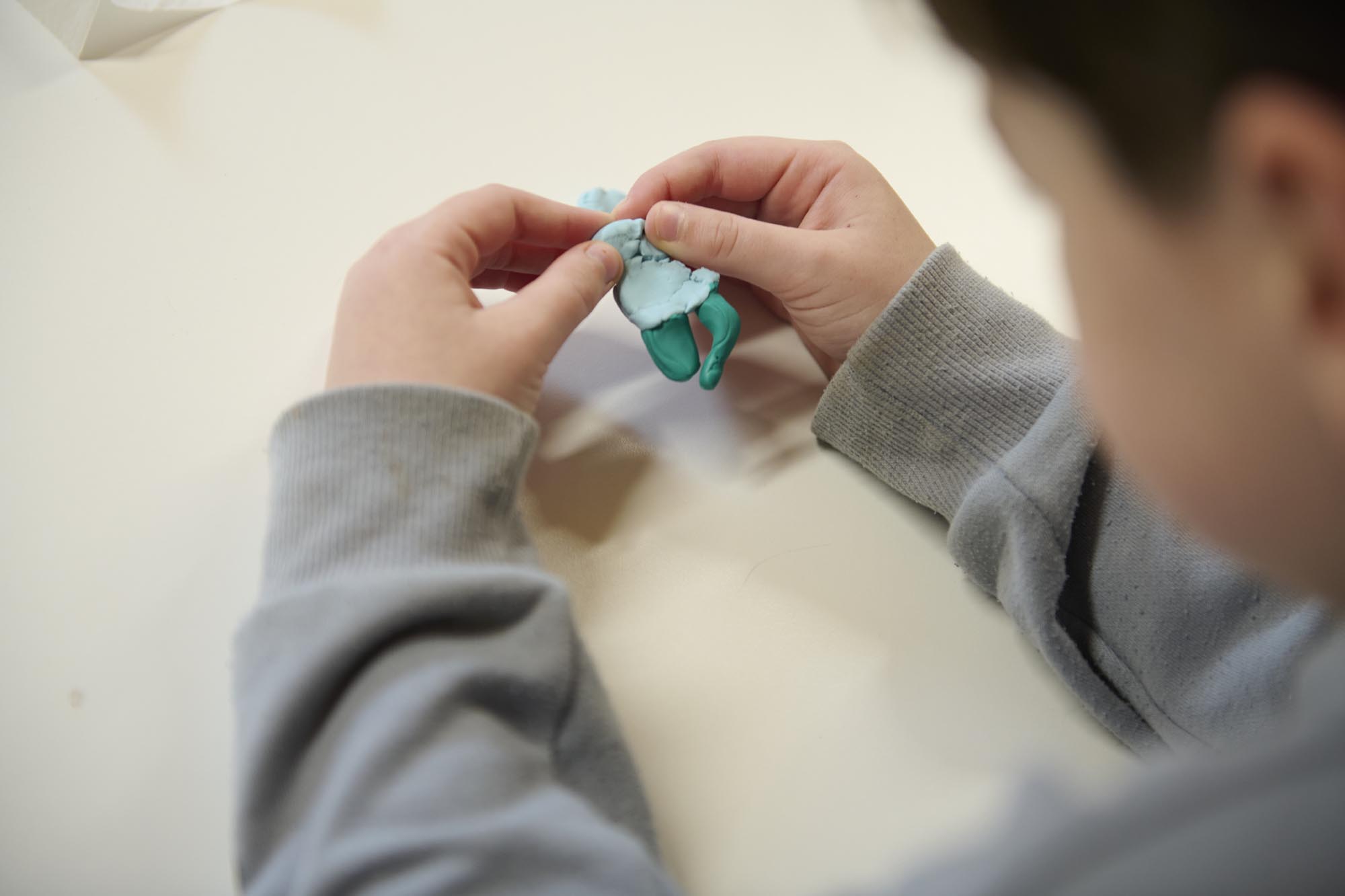
“If you have a fight or a rupture, or you have a tense moment, that’s fine,” Suzanne says. “You don’t need to worry about that. Instead, the place to put your attention is: have you made up after that rupture? Because the place where lasting harm and tension is done is when you don’t make up after a rupture. “In other words, the things you can teach people about how relationships work and about our biology is at the core of psycho-education efforts.”
Suzanne says she often hears that people struggled with their parenting experience before learning about processes like these: “Common comments I hear are: ‘I wish someone had taught me about the rupture-repair cycle. Then I wouldn’t have worried so much when we had fallouts, and would have focused on making up.’”
Suzanne is also passionate about research into how babies communicate, such as the ‘serve and return’ model. “Infant researchers chart the nuanced shifts between people,” she says. “So if a baby coos, an adult coos. A baby’s eyebrows lift and maybe the adult mimics their facial expressions. A baby’s brain is picking up on all of that. Infant research has taught us a lot about the nuanced micro-moments within relational exchanges. Our baby brains keep track of that and assign meaning to that. As a developmental psychologist who works with babies, I’m really proud of that.”
Teaching parenting as a skill helps take away the shame or guilt parents might feel if they consider parenting to be innate or instinctive, she goes on to say.
“It’s really valuable and helpful to parents to know this information, because then they can relax and they can forgive themselves, and they quit worrying if they have fights with their children,” she says. “Lots of people have no idea how brains develop. Where would we learn that information? It is entirely understandable that most parents don’t know. If you can help them to know those things, then they can get more creative in the way that they parent. People are really interested to know those things, if you explain them in language that doesn’t feel scary, and you give them time to ask questions, and you can explore those topics people want to know.”
But there’s a risk to the work, she adds, that means that how the information is shared, is just as important as the information itself. For example, one of the original 10 ACEs is divorce: something that can be of huge benefit to a family where parents are no longer happily married, but nevertheless has potential to disrupt family life, and still carries a degree of social shame, despite progress.
“…The place where lasting harm and tension is done is when you don’t make up after a rupture. In other words, the things you can teach people about how relationships work and about our biology is at the core of psycho-education efforts.”
A seam of self-compassion practice runs right through Suzanne’s work as she stresses the importance of self-forgiveness in order for parents and caregivers to get to the bigger wins. “Many parents who start to realise just how important responses are to children, when they didn’t know that before, beat themselves up,” she says. “They feel guilty, they feel ashamed, they feel overwhelmed.
“Parents feel judged all the time in our society, and they judge themselves, and they wonder if they’re getting it wrong, and they wonder if they somehow harmed their children. I’m forever saying: it’s not just information. People have feelings about the information, and paying attention to their feelings about the information is as important as delivering the information itself… If you can walk beside parents, you can help them to think through what that means for their life and empower them to take action.”
In the last two years, two reports have separately warned that children and young people in the UK have some of the lowest well-being scores compared with their peers. Last year, a UNICEF study found that the UK ranked 21st out of 36 overall, falling to 27th for mental health specifically. In The Children’s Society’s 2025 ‘Good Childhood’ Report, authors found that children’s average happiness score was significantly lower across all six aspects of life compared with when the survey started in 2012. Factors such as rising prices and online safety played on children’s minds, as well as their parents’ and carers’ – something Suzanne is well-aware of.
“One of the hard things that we are learning is how alone many children feel,” she says. “They don’t have an adult in their life who is able to be present and paying attention to their emotions.”
The old adage that ‘it takes a village’, becomes more important as children’s unhappiness rises, she explains. The impact of adult’s care for children – whatever their relationship to the child – cannot be understated.
“If children don’t have someone at home listening, then other adults, like teachers and other family members, make a huge difference in the lives of the children. When parents are, for whatever reason, unable to pay attention to their child’s emotions, then it matters that other adults are available to do that. There is much hope in this research and in this information – that’s really important to stress!”
Giving children and young people the best start is a common goal – and has huge potential beyond mental health outcomes. Now the power of relational practice in professional, clinical. social and domestic settings is gaining recognition at a national level. For example when Professor Sir Harry Burns was made Chief Medical Officer for Scotland in 2005, he often referred to the role of ACEs in national policy. In 2016, Public Health Wales published for the first time a national study into the prevalence of ACEs. In 2020, Public Health England’s ‘No child left behind’ report explicitly committed to prevent ACEs.
Suzanne, Stephen, Mary and Louise have long advocated the benefit of this work to wider society. The experts often talk about ‘lightbulb moments’, both their own and their clients, when it comes to teaching adults about the impact of early relationships. (The Felitti and Anda study, in particular, is a frequently-cited turning point in people’s understanding of the impact of childhood trauma).
But while the work is groundbreaking to those aware of it, the more the information is mainstreamed, the greater impact of its application. In the meantime, leaders at charities like Jigsaw4u, Kids Network and the Churches Trust do what they can to spread the word to their everyday communities.
References
- Dugan, K. A., Kunkel, J. J., Fraley, R. C., Simpson, J. A., McCormick, E. M., Bleil, M. E., Booth-LaForce, C., & Roisman, G. I. (2025). A prospective longitudinal study of the associations between childhood and adolescent interpersonal experiences and adult attachment orientations. Journal of Personality and Social Psychology. Advance online publication. https://doi.org/10.1037/pspi0000502
- Foster, S. L., Schofield, G., Geoghegan, L., Hood, R., Sagi-Schwartz, A., Bakkum, L., … Duschinsky, R. (2025). Attachment theory and research: what should be on the core curriculum for child and family social workers? Social Work Education, 1–18. https://doi.org/10.1080/02615479.2025.2531859
- Anthony D. Ong, Frank D. Mann, Laura D. Kubzansky. Cumulative social advantage is associated with slower epigenetic aging and lower systemic inflammation. Brain, Behavior, & Immunity – Health, Volume 48. 2025. https://doi.org/10.1016/j.bbih.2025.101096
- New WHO report indicates need for healthier online habits among adolescents. 2024. https://bit.ly/3KBfcE8
- The Executive Programme on Paramilitarism & Organised Crime. The Prevalence and Impact of Adverse Childhood Experiences in Northern Ireland. 2025. https://bit.ly/4pK3MwC
- UNICEF. Child Well-Being in an Unpredictable World. https://www.unicef.org/innocenti/media/11111/file/UNICEF-Innocenti-Report-Card-19-Child-Wellbeing-Unpredictable-World-2025.pdf
- The Children’s Society. The Good Childhood Report 2025. https://www.childrenssociety.org.uk/sites/default/files/2025-10/GCR2025%20Main%20Report.pdf
READ MORE
The Educators
Meet the leatherworkers helping to give the UK its competitive and creative edge by passing on traditional leather craft skills.
The Embers of Shoemaking in East London
East London shoemakers are rekindling embers of the area's historic craft. Elisa Anniss meets the artisans making it happen.

The Rich History of the Leather Trunk
Rory FH Smith charts the evolution of luggage and the role of leather - a story synonymous with changes in transportation.